

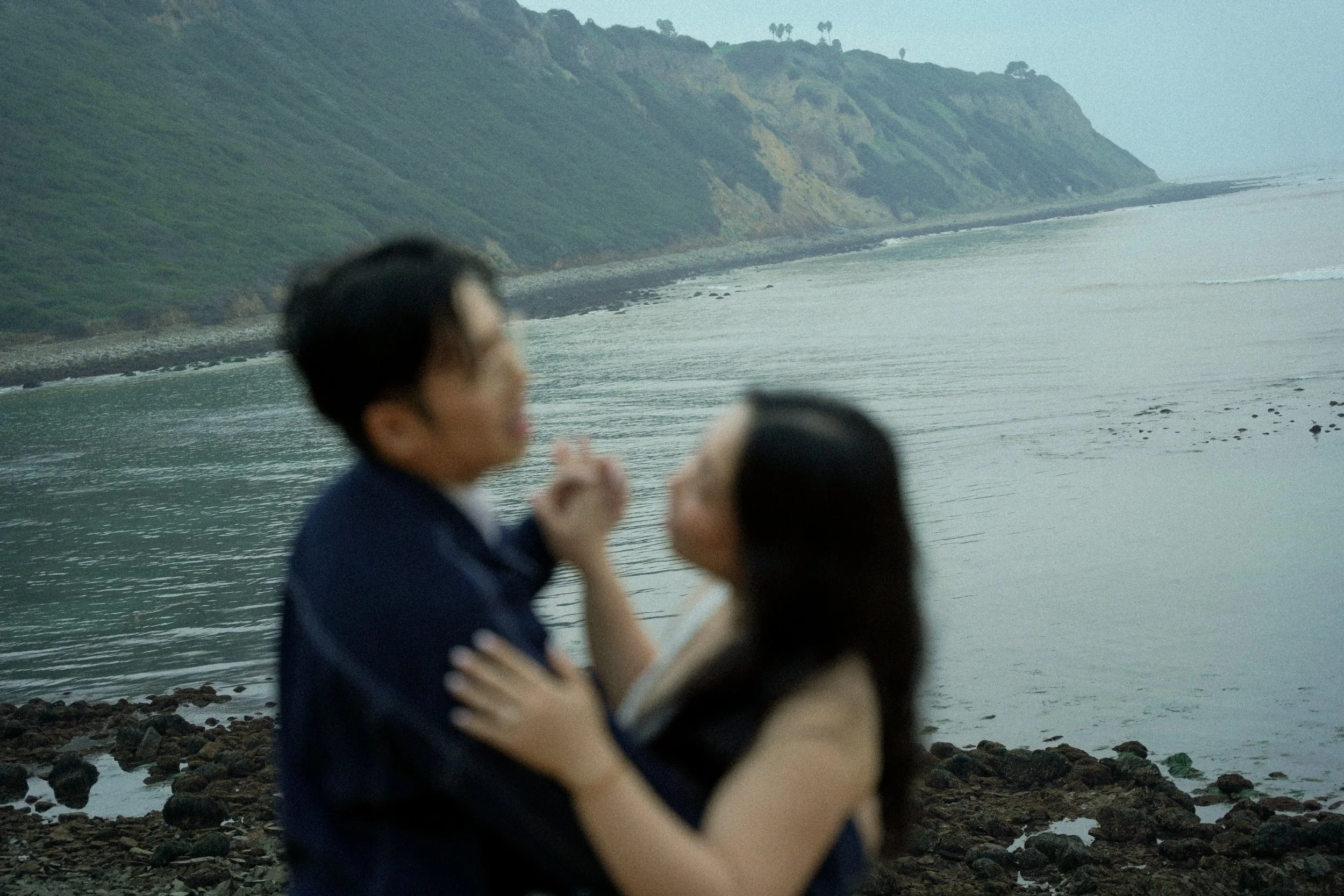
What to Say During a Surprise Proposal (Without Sounding Scripted)
Many people worry they will freeze during a surprise proposal, but the moment does not require a memorized speech. Clear, simple words are more meaningful than long rehearsed lines. This guide explains a practical structure — a shared memory, what they mean to you, a glimpse of the future, and the question itself. Understanding how long to speak and how to stay calm helps the proposal feel natural instead of rushed. The goal is not perfect wording, but an honest moment that feels real and confident.
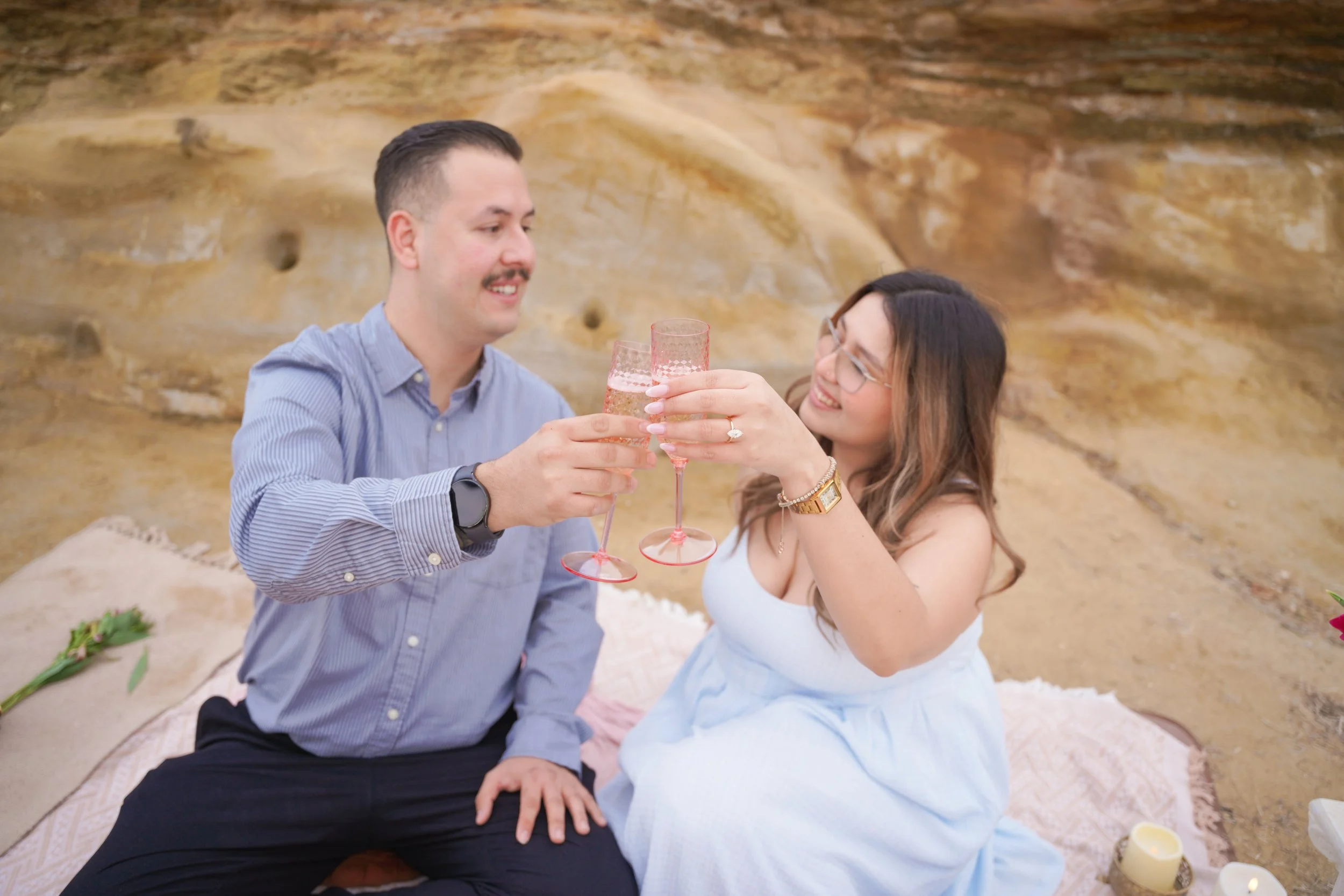
How to Choose a Surprise Proposal Photographer You Can Actually Trust
Choosing a surprise proposal photographer is less about photo style and more about reliability. Because a proposal happens once, clear communication, fast responses, and guidance matter more than aesthetics alone. This guide explains what trust looks like in surprise proposal planning — from coordination and positioning to adapting when conditions change. Understanding these factors helps you select someone who reduces pressure instead of adding uncertainty, so the moment feels calm and natural.
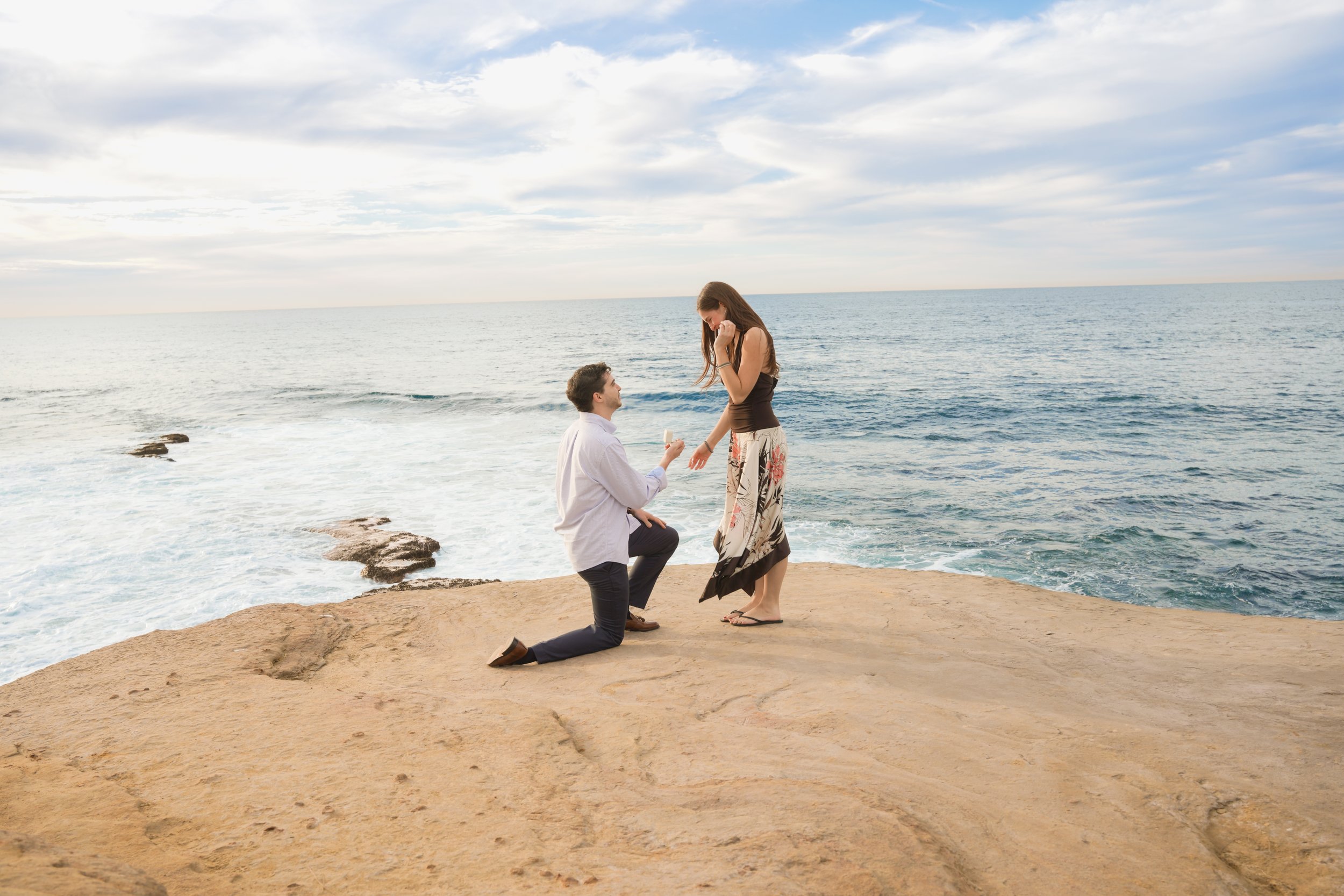
Planning a Surprise Proposal While Visiting From Out of Town
Planning a surprise proposal while traveling adds uncertainty because you cannot scout locations or predict crowds. Many proposals happen during work trips, conferences, or short visits where timing is limited and the area is unfamiliar. This guide explains how to keep the surprise believable, choose realistic stopping points, adapt to delays, and prepare before arriving. Understanding local movement, lighting, and timing removes pressure so the moment feels natural instead of rushed.
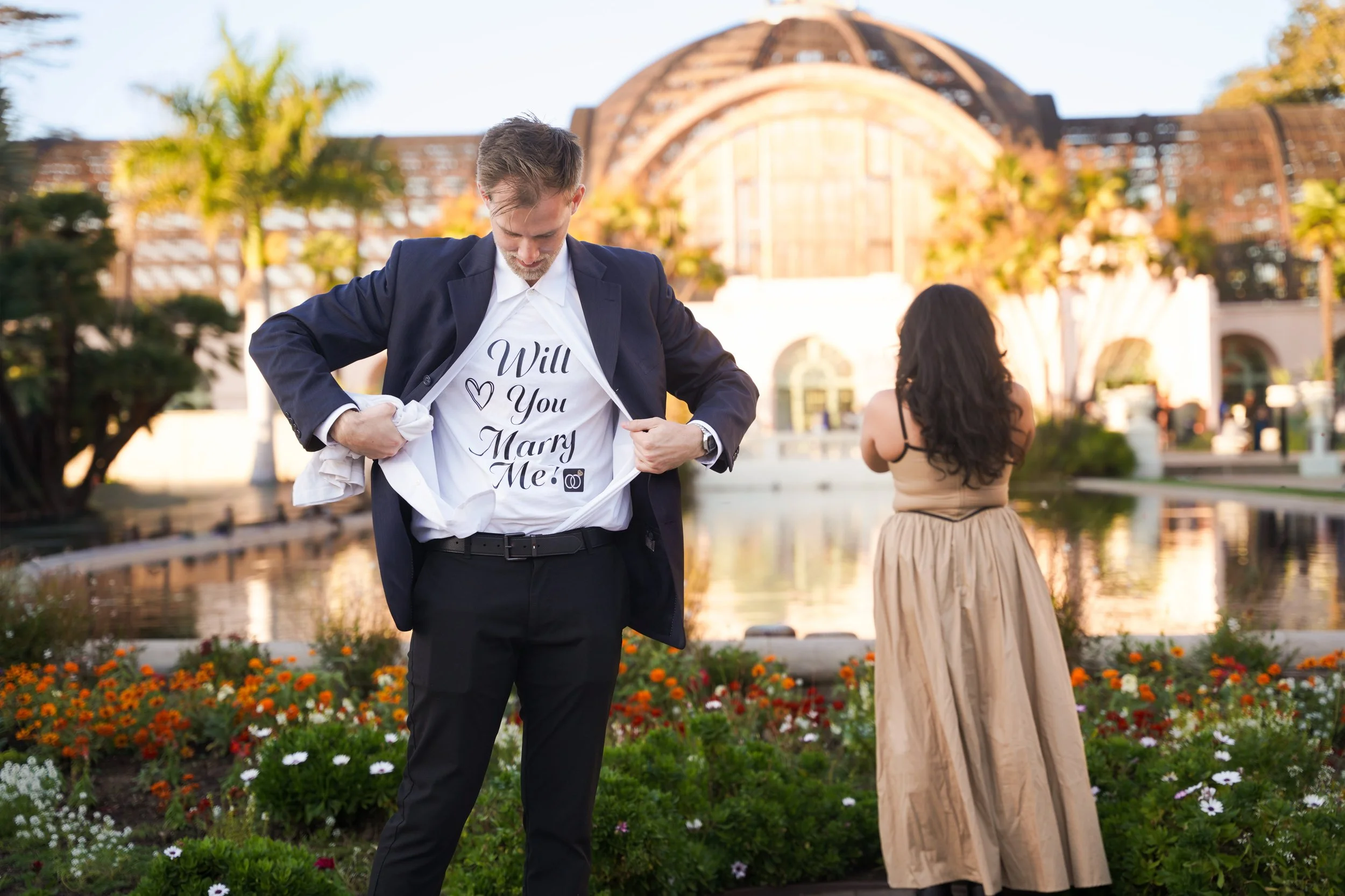
How to Choose a Surprise Proposal Photography Package
Choosing a proposal photography package isn’t about photo count or coverage time — it’s about how much support you want before the moment happens. Some proposals only need documentation, while others need coordination, location awareness, and contingency planning. This guide explains how planning level, familiarity with the location, and desired experience determine the right package. From simple coverage to disguised photoshoots and fully prepared setups, understanding the differences helps you stay present instead of managing logistics during the proposal.
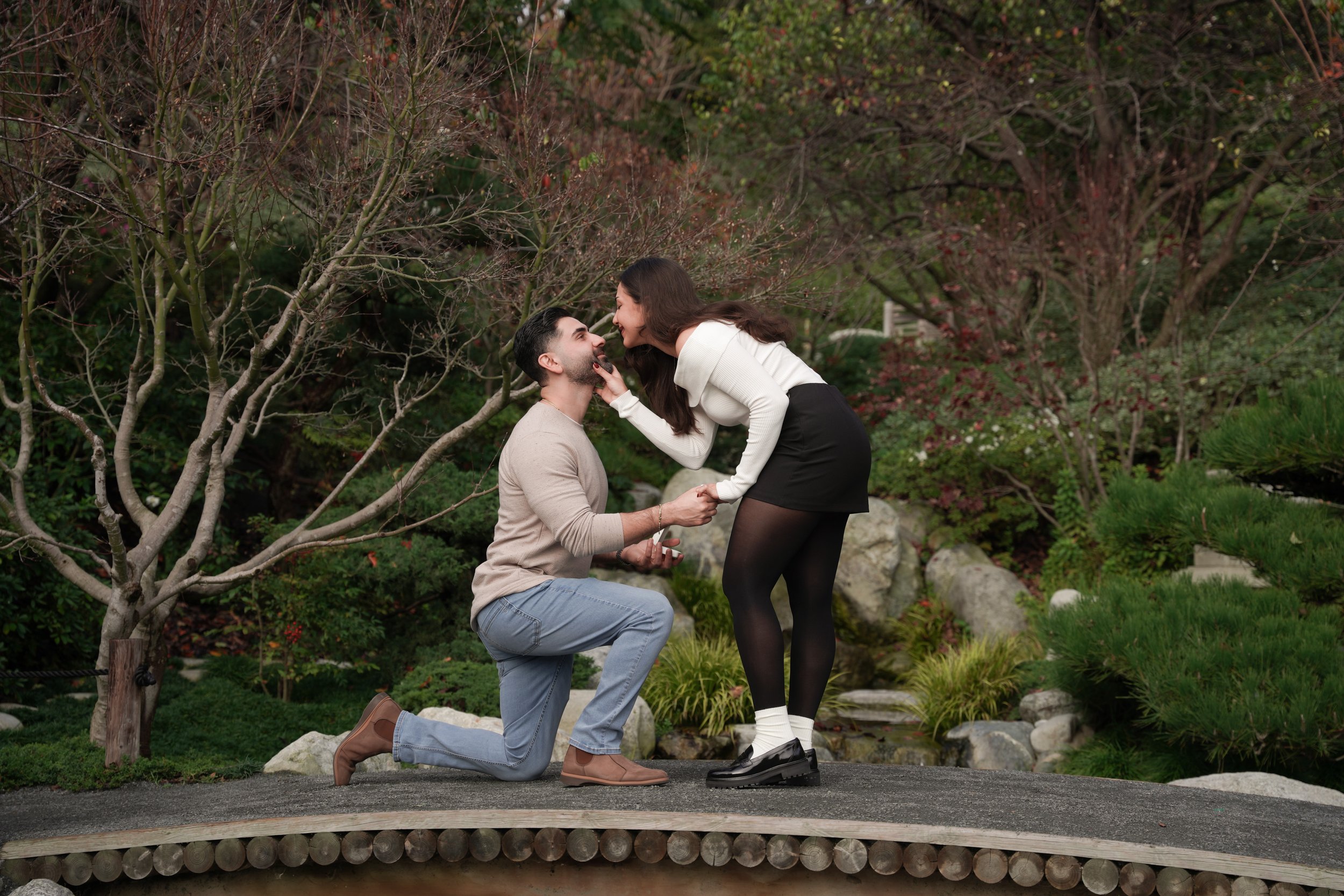
Best Time of Day to Propose (It’s Not Always Sunset)
Choosing when to propose affects how the moment feels more than the location itself. While sunset is popular, it often creates pressure, crowds, and rushed reactions. This guide explains how each time of day — sunrise, midday, late afternoon, sunset, and blue hour — changes privacy, pacing, and comfort. You’ll learn how to recognize good light, avoid harsh shadows, and choose a timing that allows the proposal to unfold naturally. The goal isn’t dramatic scenery, but a moment that feels calm and believable so reactions stay genuine instead of hurried.
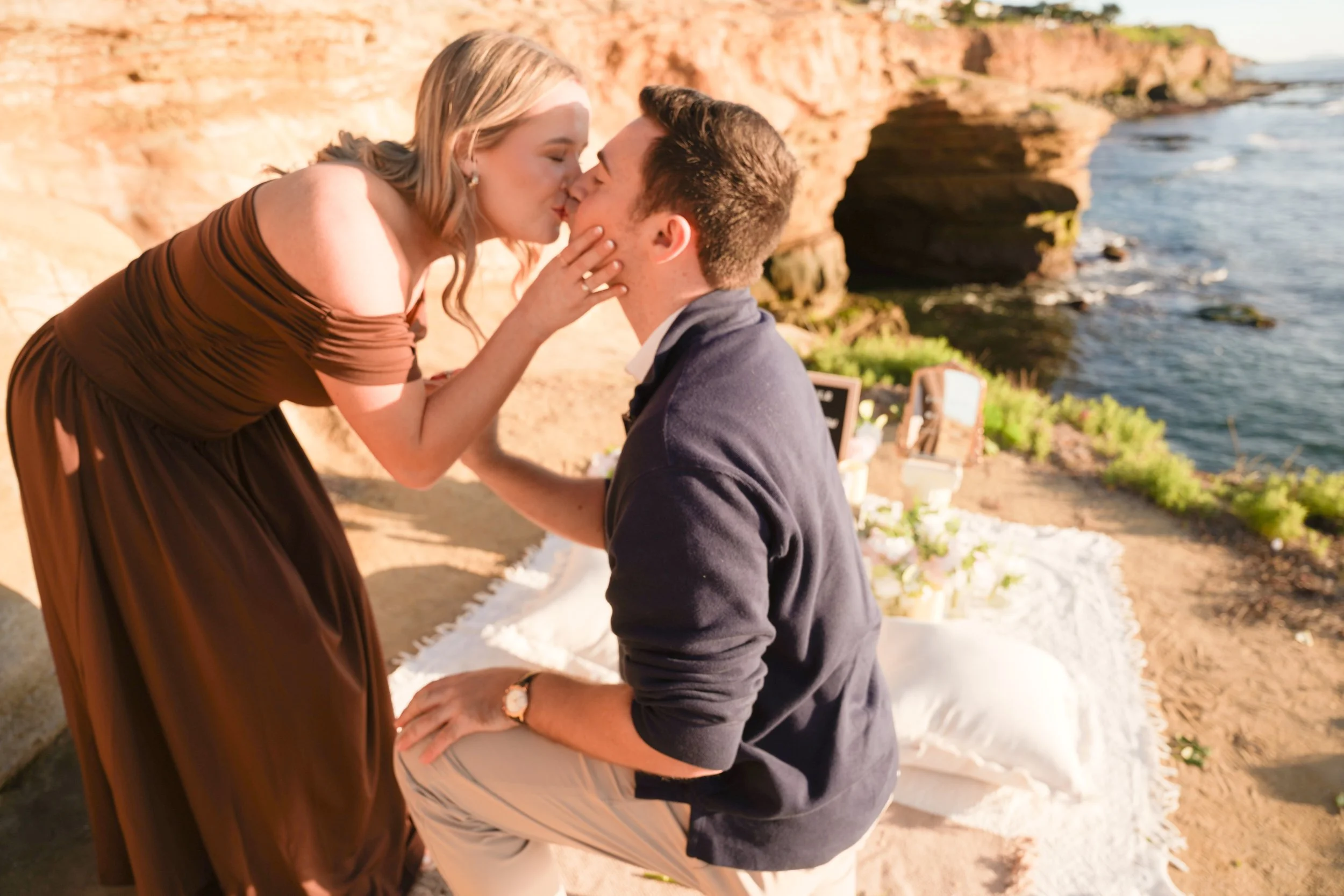
What Can Go Wrong During a Surprise Proposal (And How to Prevent It)
Most proposal mistakes don’t come from nerves — they come from small details people overlook. The stop feels unnatural, the photographer becomes obvious, crowds walk through, or the question gets rushed. This guide explains the real problems that interrupt proposals and how they’re prevented. From choosing a location that allows a natural pause to positioning, timing, and reacting when something unexpected happens, each step keeps the moment calm and believable. Understanding these risks ahead of time removes pressure so the proposal unfolds smoothly instead of feeling forced or awkward.
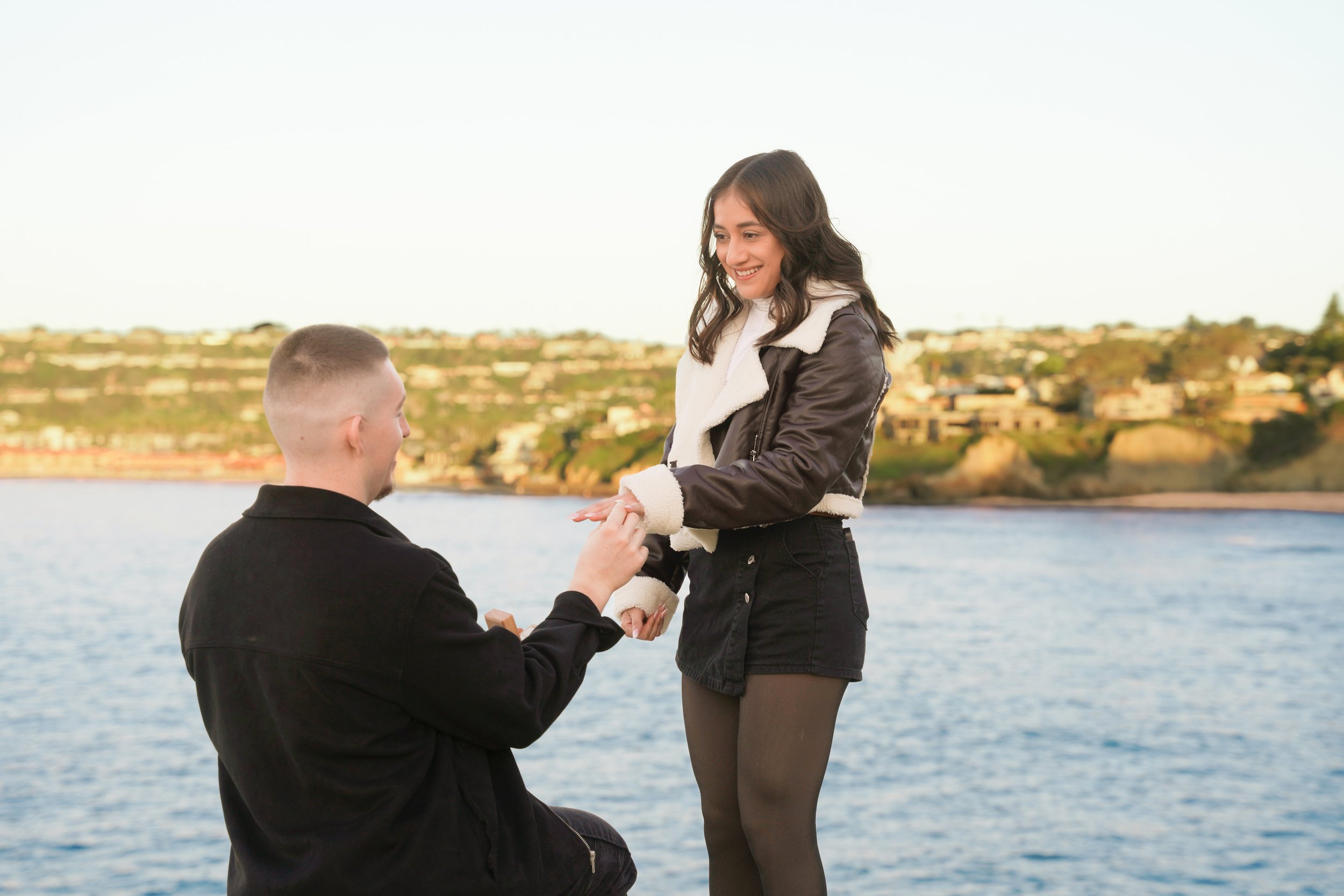
How Surprise Proposals Actually Work (Step-by-Step Timeline)
A surprise proposal feels spontaneous, but successful ones follow a clear structure. From choosing a location that allows a natural pause, to positioning, timing, and the moment of kneeling, each step prevents suspicion and keeps the experience smooth. This guide explains how proposals actually unfold in real life — how to arrive naturally, when to stop, what to say, and how reactions are captured afterward. Understanding the flow removes pressure so the moment doesn’t feel rushed or awkward. Instead of guessing, you’ll know exactly what happens before, during, and after the proposal so everything feels natural while still being carefully coordinated behind the scenes.