

Best Time of Day to Propose (It’s Not Always Sunset)
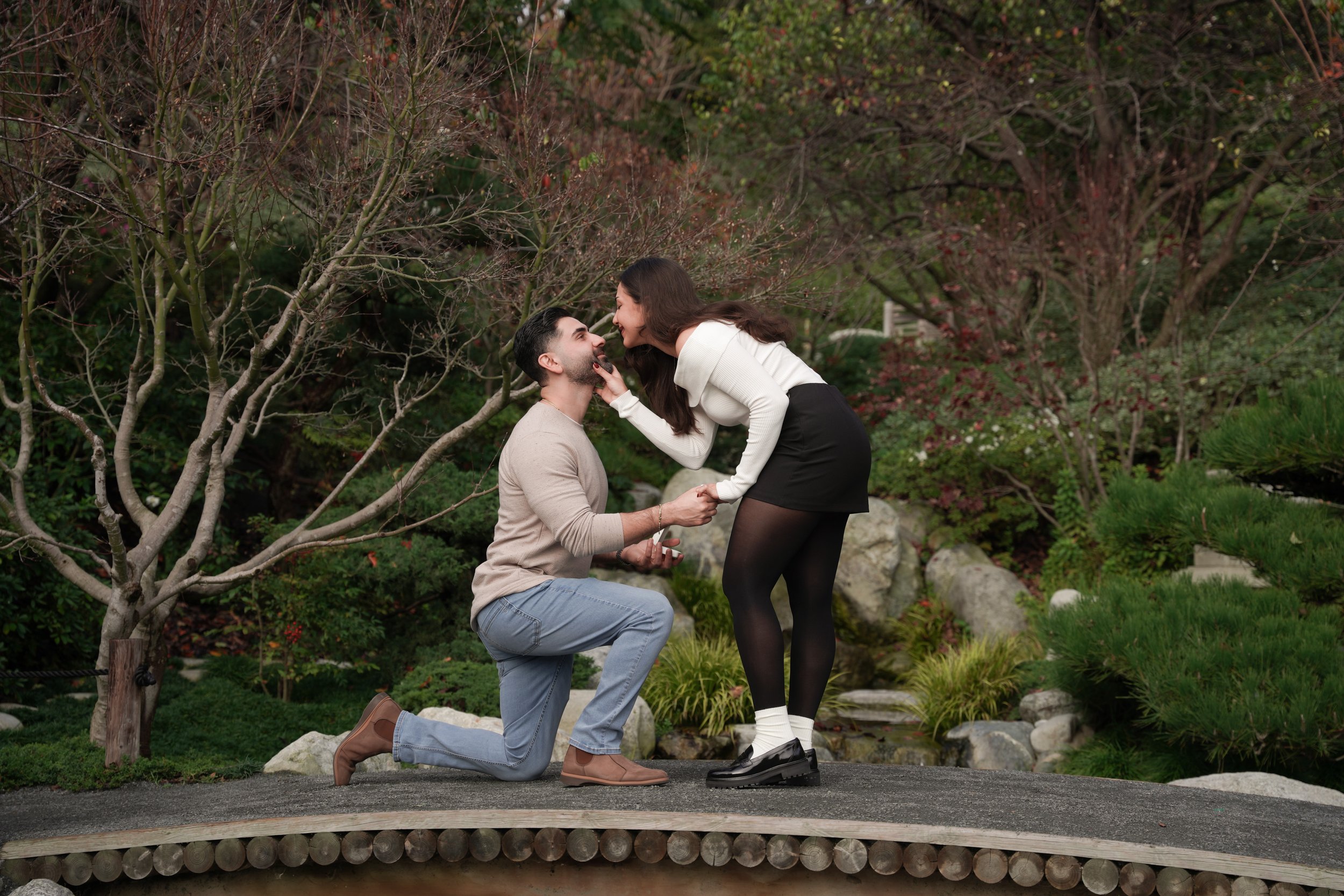
Most people assume sunset is automatically the best time to propose.
It’s popular for a reason — warm light and dramatic skies — but it isn’t always the most natural or comfortable moment.
A proposal works best when timing supports the experience, not just the photo.
Here’s how different times of day actually affect the moment — and how to choose the right light.
Sunrise Proposals
Early morning proposals are the quietest and most private.
Pros
very low crowds
calm atmosphere
intimate reactions
no pressure from onlookers
Cons
early wake-up may feel suspicious
harder to coordinate plans
not ideal if your partner dislikes mornings
How to Find the Best Light
Stand so the rising sun is behind your partner, not behind you.
You want soft light hitting their face, not squinting into it.
If the sun is too strong, step slightly into open shade — beside a wall, bluff, or tree — while still facing the sky.
Sunrise works because the light is gentle and forgiving almost everywhere.
Late Morning & Midday
The most overlooked — and often the least stressful.
Pros
natural stopping moments
easiest time to keep the surprise believable
relaxed energy
flexible timing
Cons
brighter light
less dramatic sky
warmer temperatures
How to Find the Best Light
Avoid standing directly under the sun.
Instead, use open shade — the bright shaded side of a building, cliff, pier, or trees while facing open sky.
If both of you feel comfortable with your eyes open, the lighting is correct.
Midday works when you control direction rather than waiting for the sky.
Late Afternoon
Usually the most balanced timing.
Pros
softer light beginning
comfortable pacing
easy transition into evening plans
relaxed mood
Cons
moderate crowds
need awareness of sun direction
How to Find the Best Light
Look where shadows are long but not harsh.
Stand with the sun off to the side, not directly behind or directly overhead.
If the ground is glowing warm and faces are evenly lit, you’re in the right position.
Late afternoon often feels natural because you’re not racing the sun.
Sunset
Beautiful, but the most pressured.
Pros
warm golden tones
dramatic atmosphere
classic look
Cons
crowded viewpoints
strict timing window
people rush the moment
nerves increase while waiting
How to Find the Best Light
Do NOT wait until the sun touches the horizon.
The best moment is about 15–25 minutes before sunset when light wraps around faces.
Position yourselves sideways to the sun rather than directly in front of it — this prevents silhouettes unless that’s intentional.
The mistake is waiting too long and rushing.
Blue Hour (After Sunset)
Often overlooked and surprisingly emotional.
Pros
fewer people
relaxed conversation
calm environment
reactions feel genuine
Cons
less dramatic scenery
lower brightness
requires comfort staying out later
How to Find the Best Light
Face the open sky, not dark land or buildings.
Even after the sun sets, the sky becomes a giant soft light source.
If the sky still looks blue to your eyes, it’s bright enough.
Blue hour works because there is no harsh direction — just soft even light.
How to Choose the Right Time
The best proposal timing depends on behavior and comfort, not just scenery.
Choose a time when:
stopping feels natural
conversation flows normally
you are not racing light
your partner can keep eyes relaxed
Comfortable light leads to natural reactions.
Why Timing Changes the Feeling
A proposal should feel natural, even when planned carefully.
Good light removes pressure.
When you aren’t rushing the sun, you stay present — and that’s what makes the moment real.
Start Your Journey With Us Here
Surprise Proposal FAQ
How long does a proposal actually last?
The kneeling moment itself is short — usually 20–40 seconds. The full experience typically lasts 5–10 minutes before portraits.
Will my partner notice the photographer?
Most people don’t. The photographer blends into the environment before you arrive.
What if the location is crowded?
Positioning matters more than privacy.
Should I say something before getting on one knee?
Yes. A short sentence slows the moment and prevents rushing.
Where should I stand during the proposal?
Face open scenery, not distractions.
What if something unexpected happens?
Stay calm and continue naturally.
Is sunset the only good time to propose?
No. Many successful proposals happen earlier.
Do I need to rehearse?
No memorizing needed.
When should I book a proposal photographer?
Earlier contact allows flexibility.
What knee should I propose on?
Traditionally the left knee, but stability matters most.
