

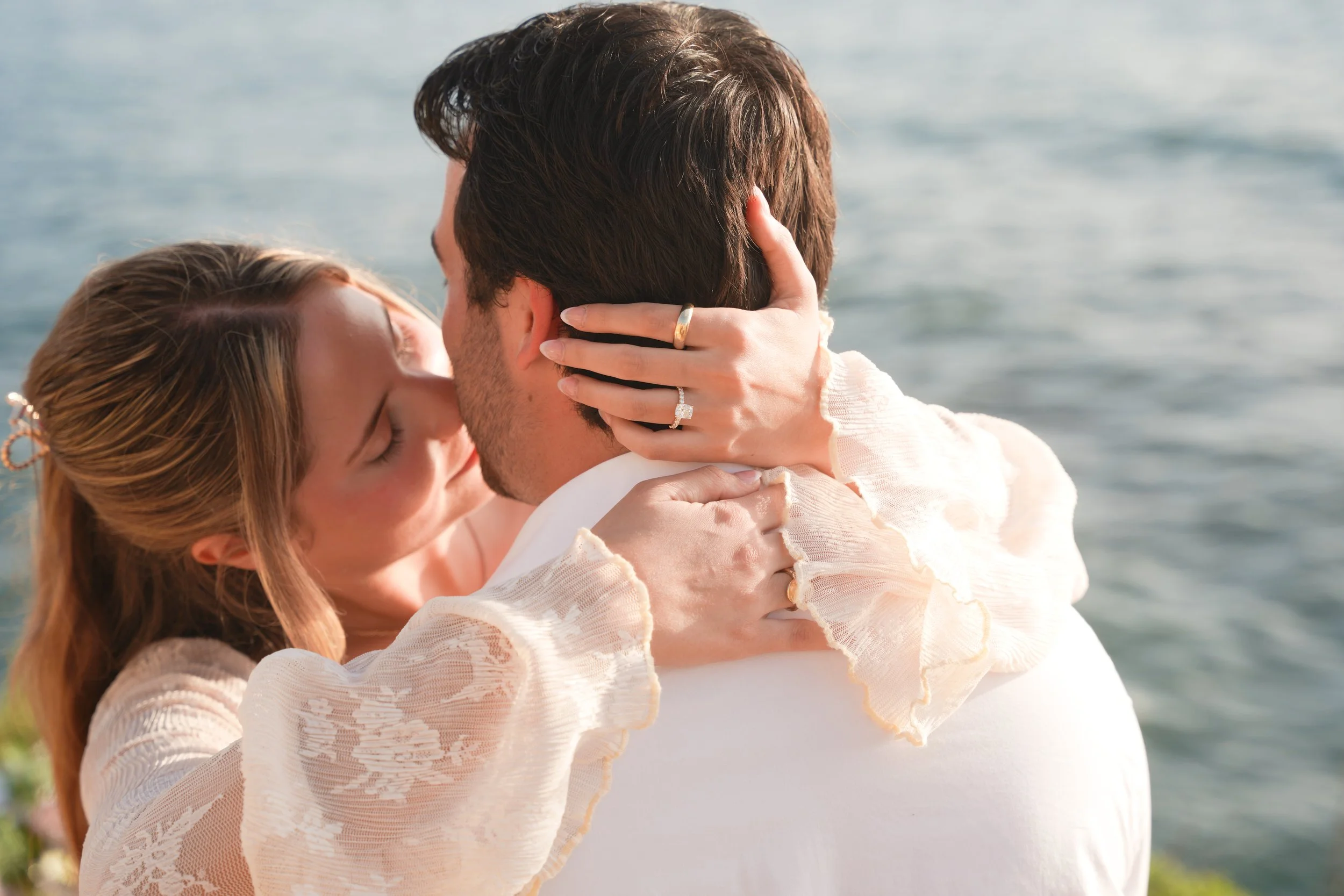
Best Way to Propose Without Her Knowing (Surprise Proposal Guide)
The best way to propose without her knowing is not about hiding everything — it’s about creating a natural moment that doesn’t raise suspicion. This guide breaks down how to plan a surprise proposal by normalizing romantic behavior in advance, choosing a location that feels organic, and keeping the plan simple. Learn how to avoid common mistakes that give proposals away, how to stay calm on the day, and why overplanning can work against you. Backed by real experience photographing surprise proposals, this approach ensures the moment feels effortless, genuine, and completely unexpected.

What Are the Signs They Want to Get Married?
Before planning a proposal, many people quietly wonder if their partner is ready for marriage too. The signs are rarely obvious hints but consistent behaviors that show emotional commitment and shared future thinking. This guide explores how communication, long-term planning, emotional safety, and relationship patterns reveal readiness for marriage. Understanding these signals helps remove uncertainty and allows a proposal to feel like a natural next step rather than a risk. When both partners are already building a future together, the proposal simply becomes the moment that gives meaning to what already exists.
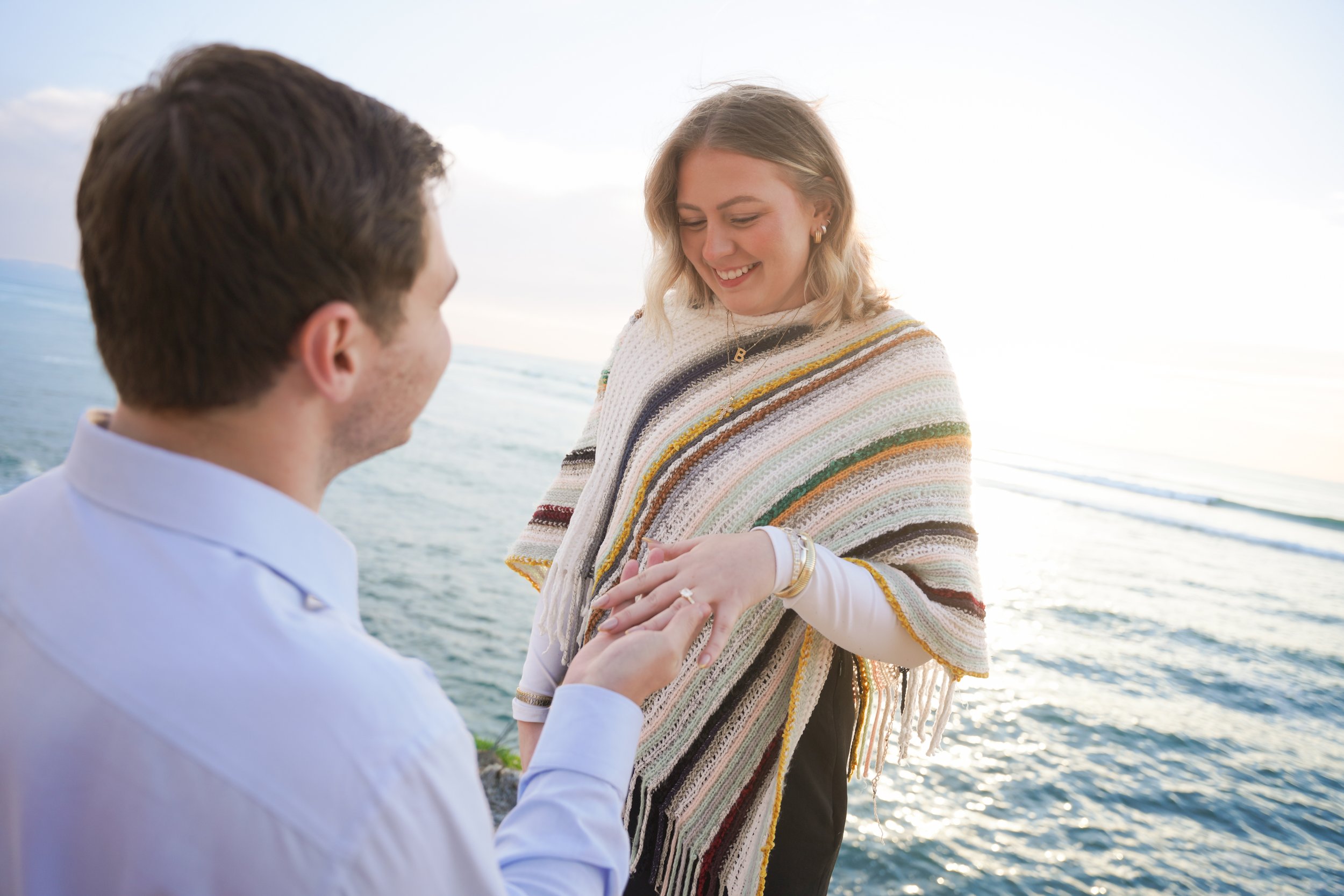
Should You Hire a Proposal Photographer or Ask a Stranger?
Many people consider asking a stranger to take a photo during a surprise proposal because it feels simple and spontaneous. The real difference, however, is not image quality but timing and reliability. A proposal happens once and reactions last seconds. This guide explains what typically happens in both situations, when a casual photo may be enough, and when planning ahead preserves the moment more completely. Understanding these outcomes helps you choose the level of certainty you want before asking the question.
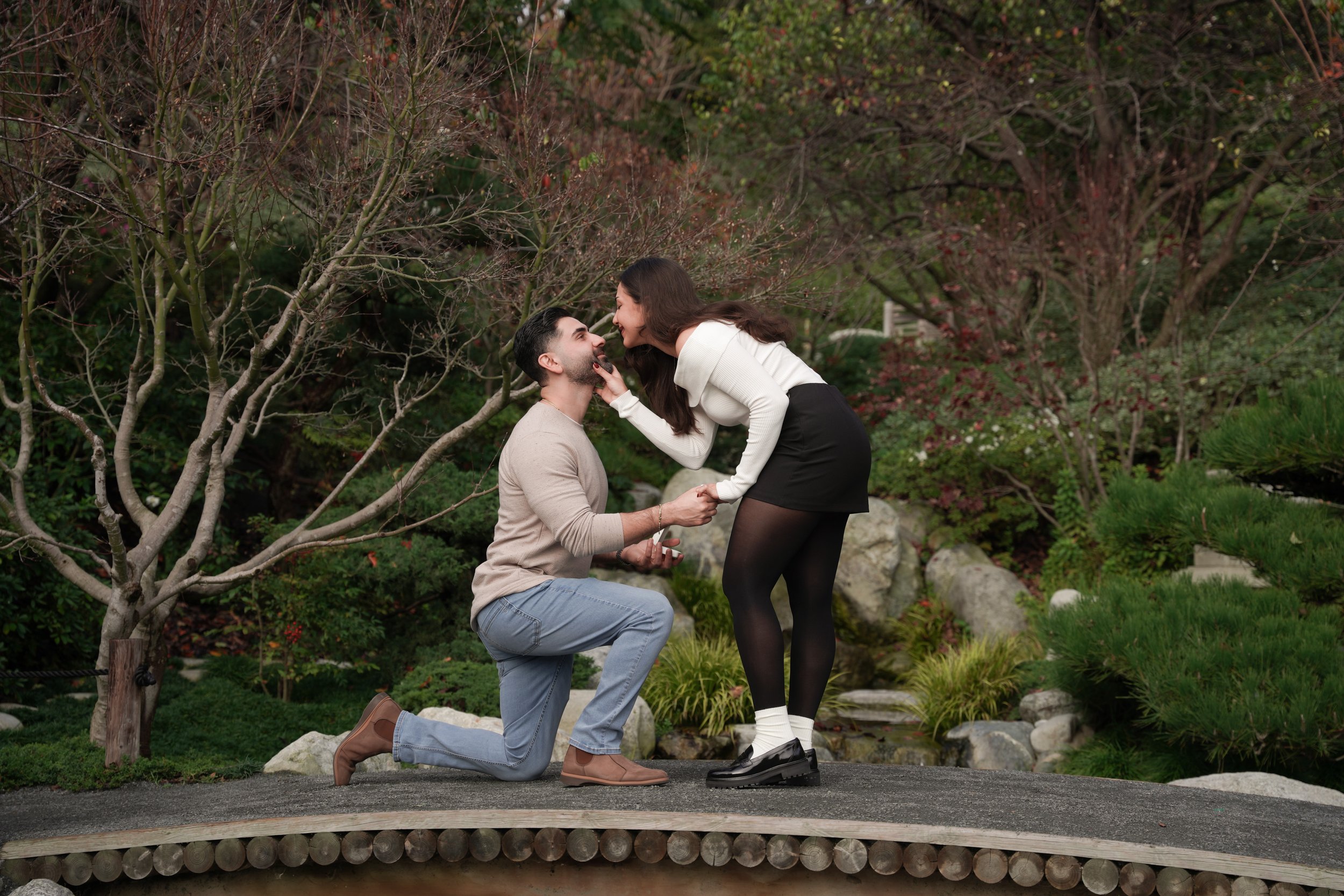
Best Time of Day to Propose (It’s Not Always Sunset)
Choosing when to propose affects how the moment feels more than the location itself. While sunset is popular, it often creates pressure, crowds, and rushed reactions. This guide explains how each time of day — sunrise, midday, late afternoon, sunset, and blue hour — changes privacy, pacing, and comfort. You’ll learn how to recognize good light, avoid harsh shadows, and choose a timing that allows the proposal to unfold naturally. The goal isn’t dramatic scenery, but a moment that feels calm and believable so reactions stay genuine instead of hurried.