

How Surprise Proposals Actually Work (Step-by-Step Timeline)
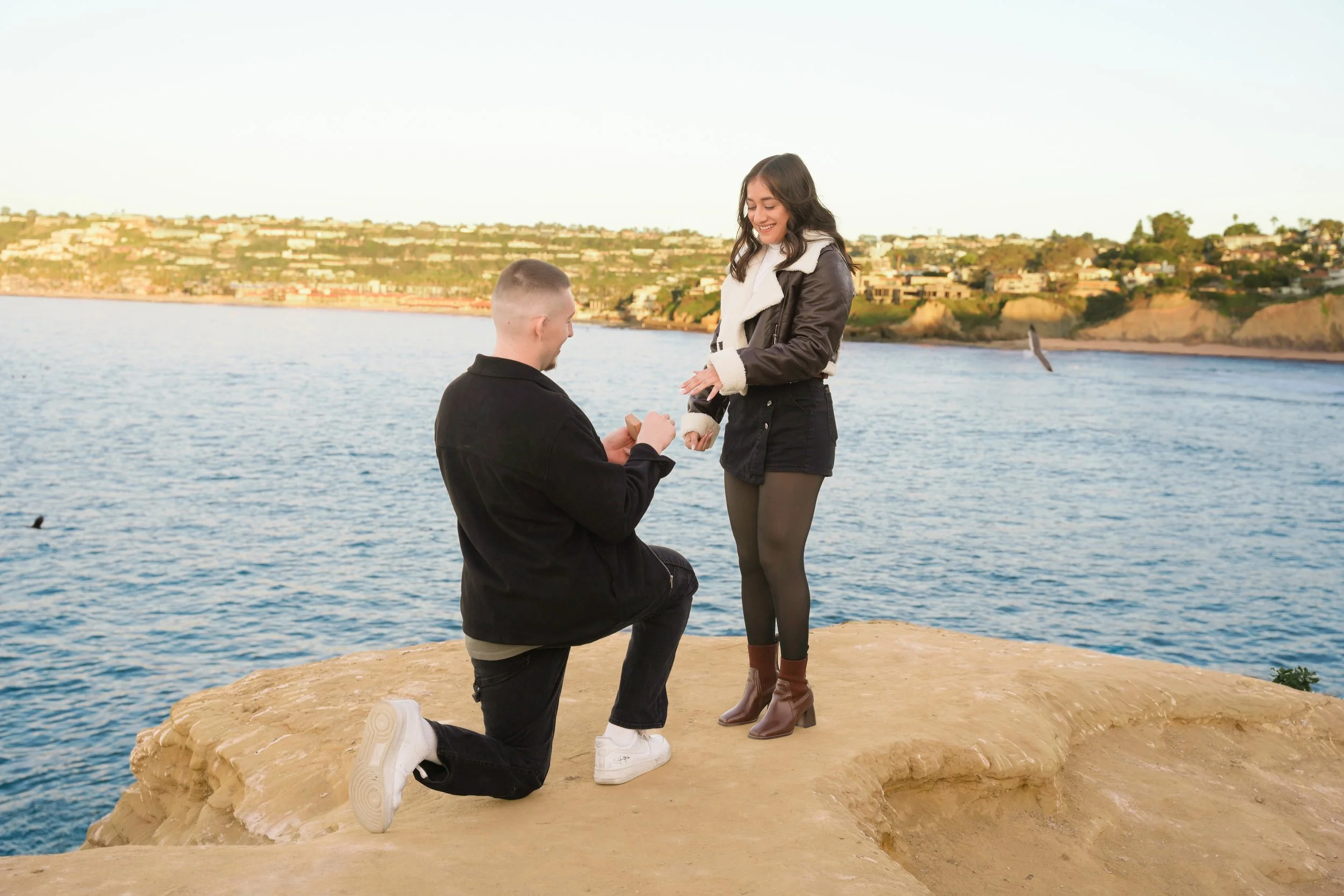
Planning a surprise proposal isn’t about luck or just showing up with a ring.
The moment works when timing, positioning, and awareness all line up.
Here’s what typically happens behind the scenes from planning to the actual “yes.”
1. Choosing the Right Location
The best proposal spots are not always the most famous ones.
What matters:
predictable lighting
manageable crowds
clear approach path
somewhere you can pause naturally
A beautiful place that forces awkward movement or hesitation often exposes the surprise. The goal is a location that allows you to stop without suspicion.
2. Coordinating the Arrival
The proposal rarely starts at the proposal spot.
Instead, the approach is staged so arriving feels normal:
casual walk
sightseeing stop
someone offering to take a photo
pointing out a view
This prevents your partner from sensing a sudden change in behavior.
3. Photographer Positioning (Before You Arrive)
The photographer is already there early.
They:
watch lighting direction
study foot traffic
choose background angles
blend into the environment
You shouldn’t need to look around for them — if you can easily find them, the surprise may fail.
4. The Cue Moment
There is always a cue — even if it feels spontaneous.
Typical cues:
“Let’s take a photo here”
reaching a viewpoint
finishing a short walk
pausing after a conversation
This creates a natural reason to stop without raising suspicion.
5. The Proposal
Once stopped:
You face your partner
A short sentence or memory
Step slightly back
One knee down
The pause before kneeling is important — it gives time for awareness and emotion before the question.
The moment usually lasts 20–40 seconds, but it feels much longer to both of you.
6. After the Yes
Immediately after:
emotions settle
you notice the photographer
a few natural reactions are captured
quick reassurance conversation
These photos often become favorites because reactions are genuine and unposed.
7. Post-Proposal Photos
After the surprise:
light posing guidance
walking shots
relaxed interaction
Because the pressure is gone, these photos look natural rather than staged.
Why Planning Matters
A successful surprise proposal isn’t about elaborate setups.
It’s about removing uncertainty so the moment unfolds naturally.
When timing, positioning, and environment are prepared, the proposal feels spontaneous — even though it was carefully coordinated.
Start Your Journey With Us Here
Surprise Proposal FAQ
How long does a proposal actually last?
The kneeling moment itself is short — usually 20–40 seconds.
The full experience, including reactions and immediate photos afterward, typically lasts 5–10 minutes before moving into relaxed portraits.
Will my partner notice the photographer?
Most people don’t. The photographer is positioned early and blends into the environment before you arrive. Suspicion usually only happens when someone starts looking around or signaling — staying natural keeps the surprise intact.
What if the location is crowded?
Crowds rarely ruin a proposal when timing and positioning are planned. The approach path and background angle matter more than the number of people present. A small shift in position can make a busy area feel private.
Should I say something before getting on one knee?
Yes. A short sentence or memory helps your partner process what’s happening emotionally before the question. It also slows the moment down so it doesn’t feel rushed.
Where should I stand during the proposal?
You should stand so your partner faces open space or scenery, not distractions or foot traffic. This keeps attention on the moment and allows clear photos without needing to reposition afterward.
What if something unexpected happens?
Unexpected things happen often — wind, people walking through, lighting changes. The key is to pause, stay calm, and continue naturally. The moment still works as long as you don’t panic or restart.
Is sunset the only good time to propose?
No. Sunset is popular, but many successful proposals happen earlier when crowds are lower and movement feels more natural. The best time depends on location behavior, not just light.
Do I need to rehearse?
No memorizing is needed. Knowing where to stop and when to pause matters more than rehearsed words. Natural reactions are always better than perfect wording.
When should I book a proposal photographer?
Some are planned months ahead, others the same week. The earlier you reach out, the more flexibility you have with timing and location positioning.
What knee should I propose on?
Traditionally people kneel on the left knee so the ring box is presented with the right hand, but the exact knee doesn’t matter. What matters is stability and facing your partner directly. Choose the position that feels natural so you don’t wobble or rush — comfort makes the moment feel confident.
