

What Does a Surprise Proposal Really Cost — And What Are You Actually Paying For?
Planning a surprise proposal should feel exciting — not overwhelming. Many couples don’t realize how much coordination goes into creating a seamless proposal until they begin planning themselves. From location scouting and timing to protecting the surprise and managing the moment, proposal planning services can range from hundreds to thousands of dollars depending on complexity. In this guide, we break down what proposal planners typically charge, what services are included, and how modern proposal photography experiences combine planning and execution into one streamlined process. Whether you’re traveling through Southern California or planning locally, understanding what you’re truly investing in helps you create a proposal that feels natural, stress-free, and unforgettable.
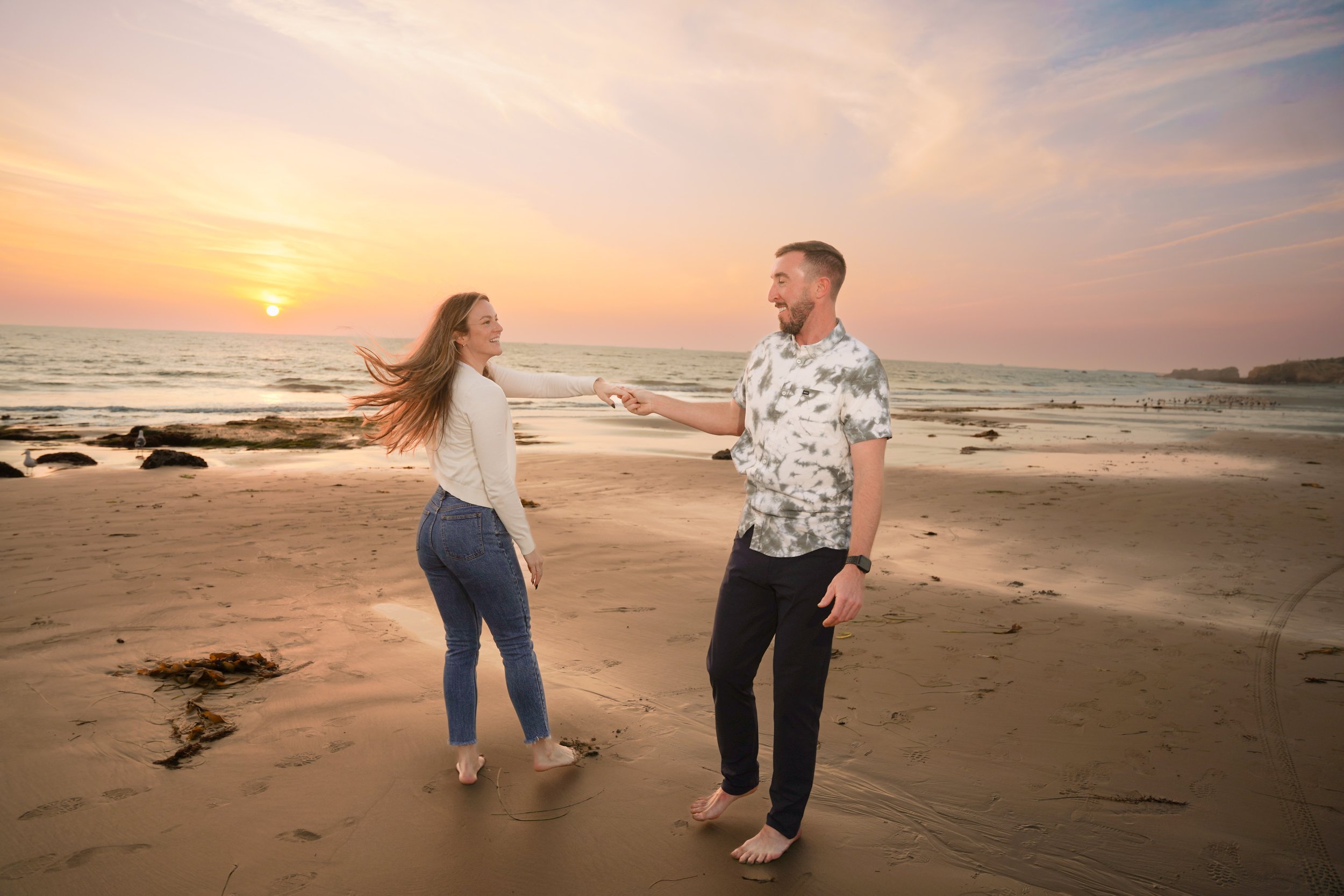
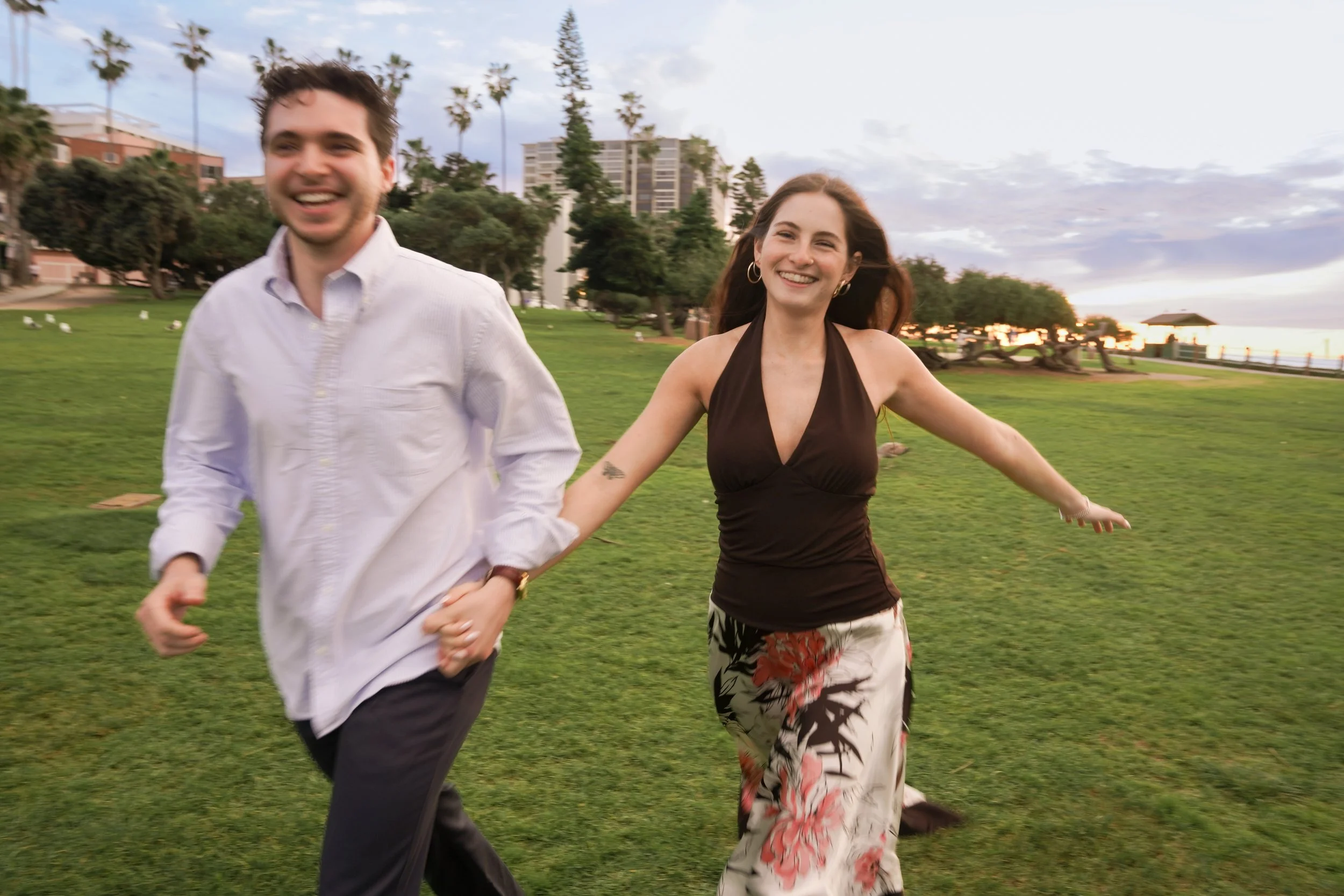
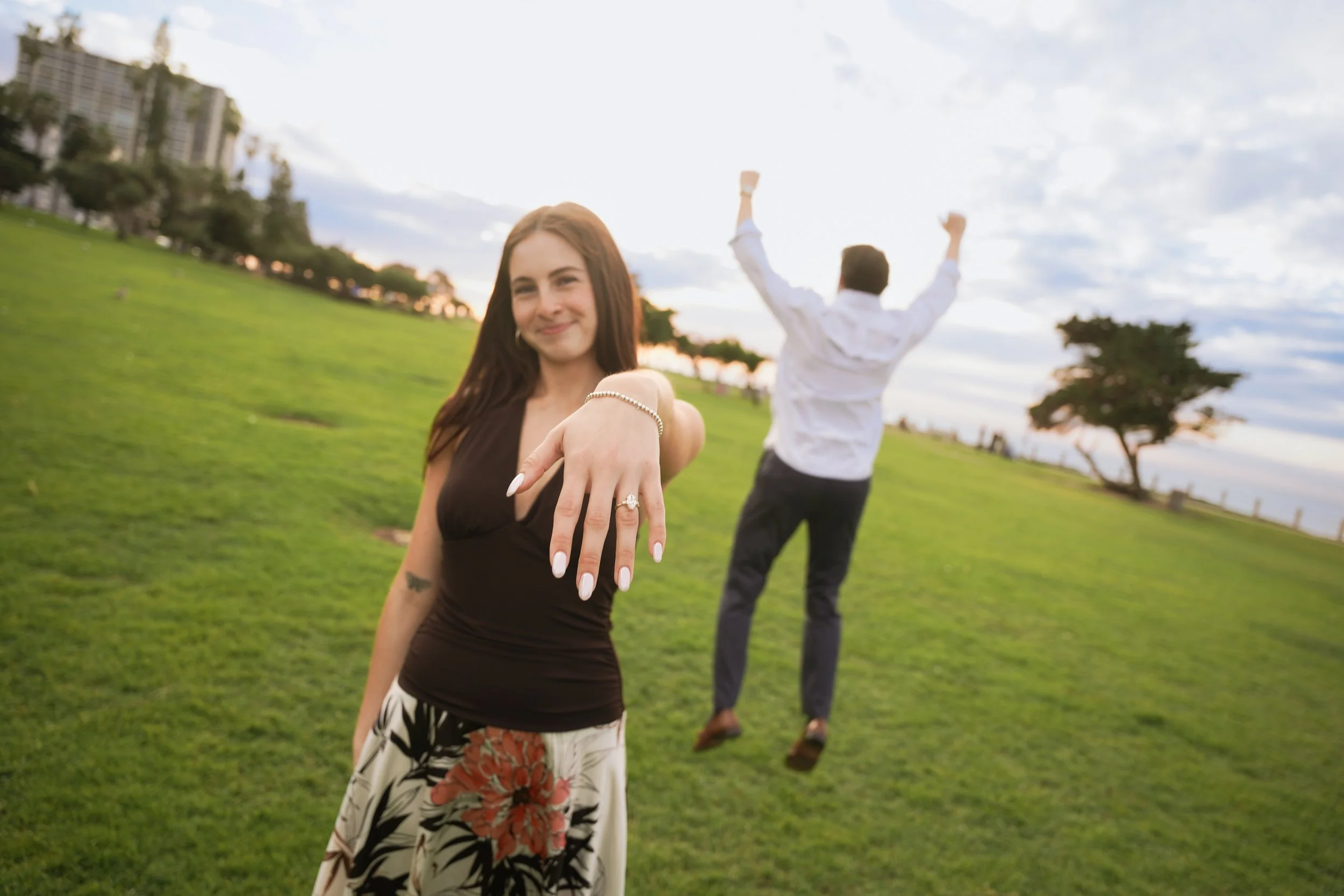
Couple celebrating engagement after surprise proposal at Crystal Cove State Beach in Newport Beach during golden hour
Planning a surprise proposal looks simple from the outside.
Pick a beautiful location.
Bring the ring.
Hire a photographer.
Ask the question.
But behind nearly every seamless proposal you see online is something most people don’t realize exists:
planning, coordination, timing, and execution.
For many couples — especially young professionals balancing busy schedules or traveling through Southern California — the biggest concern isn’t photography.
It’s getting it right the first time.
This guide breaks down what proposal planning typically costs, what services are usually included, and how modern proposal photography packages have evolved to provide far more than just photos.
What Does a Surprise Proposal Really Cost — And What Are You Actually Paying For? breaks down the real value behind a successful proposal: planning, timing, guidance, and a team prepared for the unexpected. When everything only happens once, experience and preparation matter more than price alone. We help you build a plan that protects the moment from start to finish.
Explore Surprise Proposal Packages
The Hidden Work Behind a Smooth Surprise Proposal
A proposal lasts seconds.
The preparation behind it often takes days or weeks.
Things clients rarely consider at first include:
Choosing a location that works with lighting and privacy
Avoiding crowds during peak hours
Creating a believable cover story
Coordinating timing down to the minute
Knowing exactly where to stand for the best moment
Having a backup plan if conditions change
When these details aren’t planned, surprises get exposed, moments feel rushed, or timing simply misses.
That’s why proposal planning services have grown rapidly over the last few years.
What a Proposal Planner Usually Offers
Professional proposal planners specialize in designing and coordinating the experience from start to finish.
Typical planner services include:
Concept and idea development
Location scouting and recommendations
Timeline creation
Vendor coordination (photographer, florals, musicians)
Decor setup and teardown
Day-of coordination and signaling
Backup planning for weather or crowds
Their role is to remove uncertainty so the person proposing can focus entirely on the moment.
How Much Proposal Planning Normally Costs
Across the U.S., proposal planning pricing typically falls into these ranges:
Planning consultation: $200–$600
Basic styled proposal: $800–$2,500
Full proposal planning: $1,500–$6,000
Luxury custom proposals: $6,000–$10,000+
And importantly — photography is often an additional cost on top of planning services.
By the time photography, florals, setup, and coordination are added, many professionally planned proposals land between $2,500–$4,000 total investment.
For some couples, that level of production makes perfect sense.
For others, they want something simpler — but still executed flawlessly.
The Shift Toward Photographer-Led Proposal Planning
Over the last few years, a new approach has emerged.
Instead of hiring separate planners and photographers, many couples now choose proposal specialists who combine both roles.
Why?
Because photography timing and proposal execution are deeply connected.
The person capturing the moment often understands best:
where light falls at sunset
how crowds move through a location
when to position you naturally
how to protect the surprise without drawing attention
This hybrid approach reduces moving parts while keeping the experience personal and stress-free.
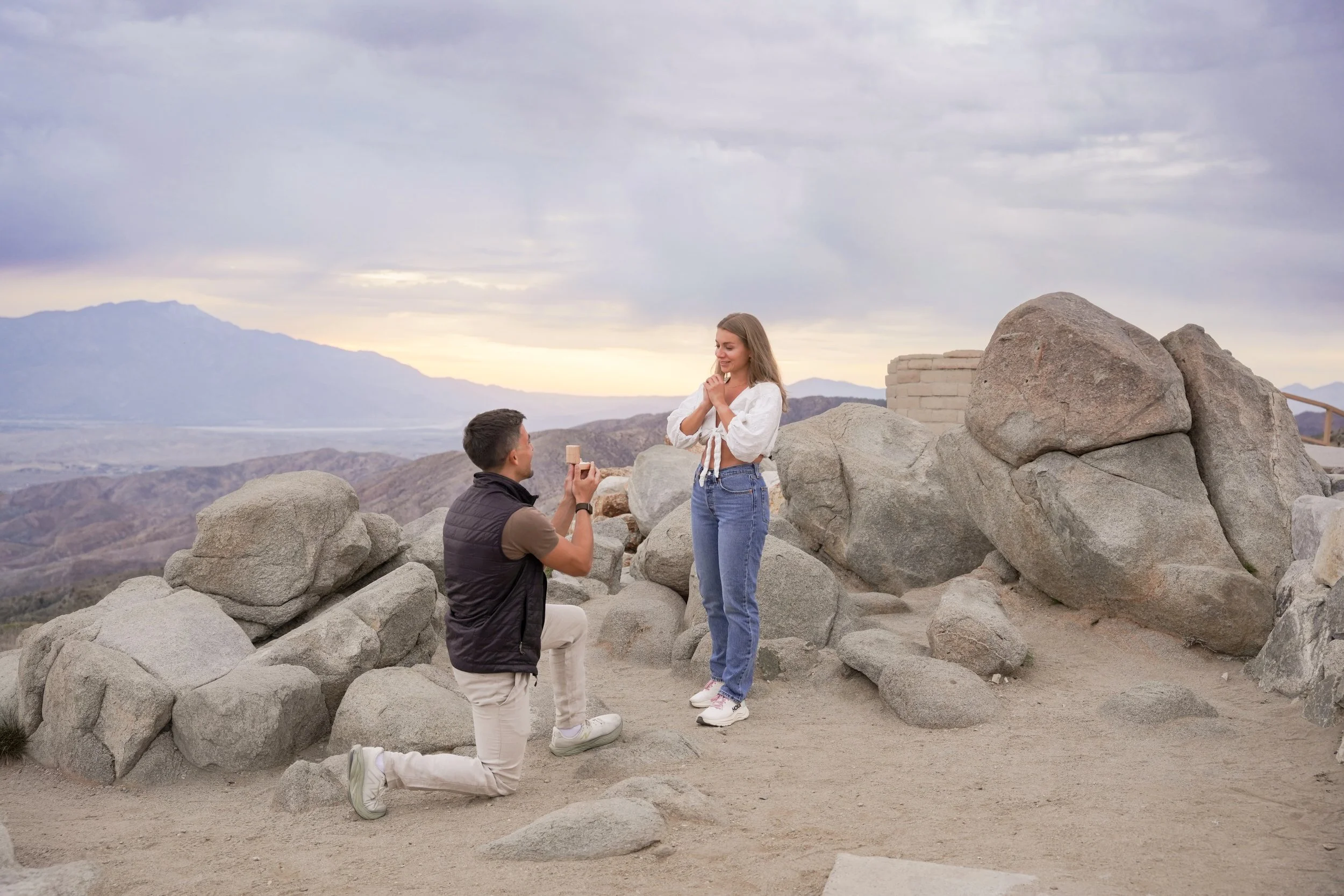
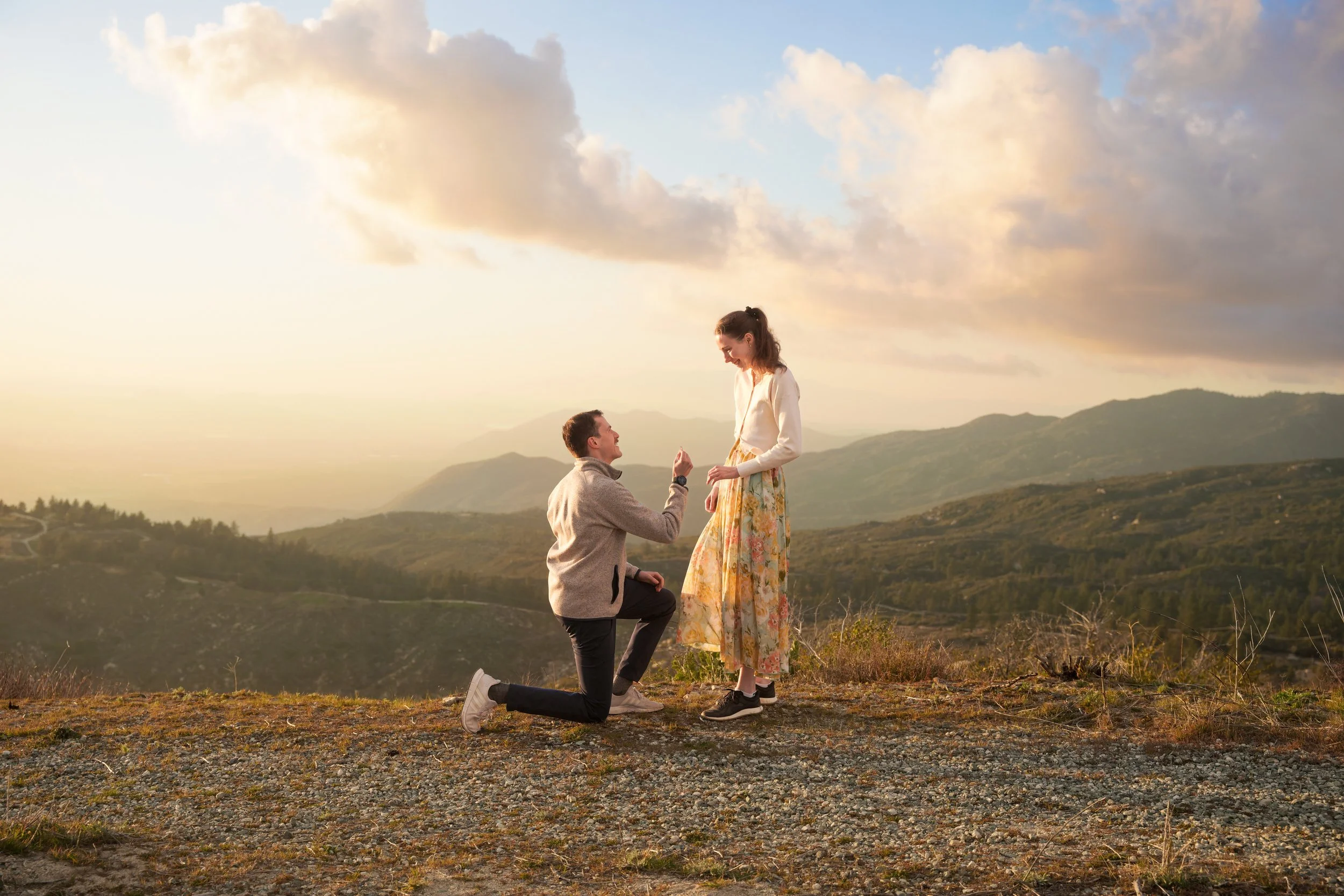
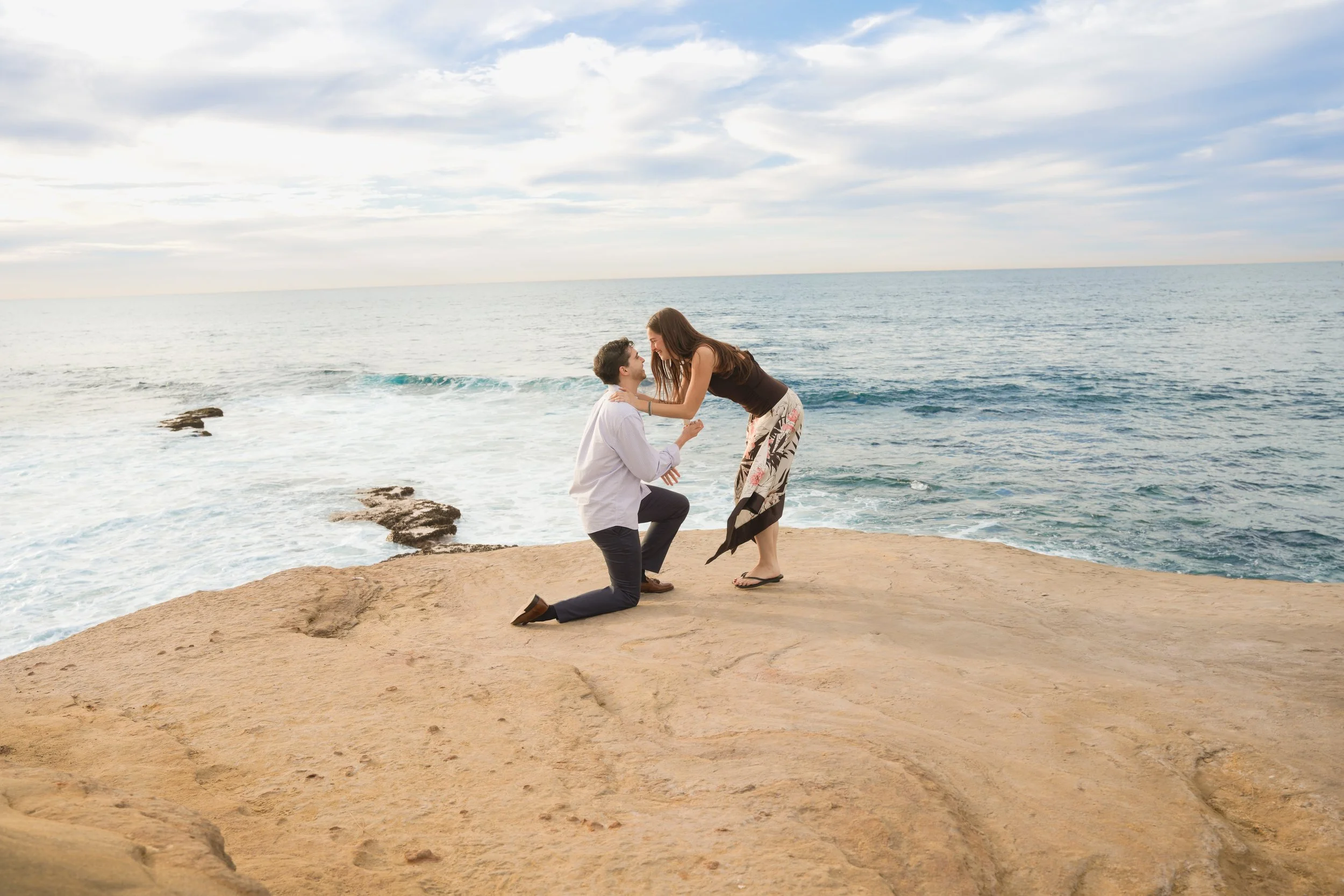
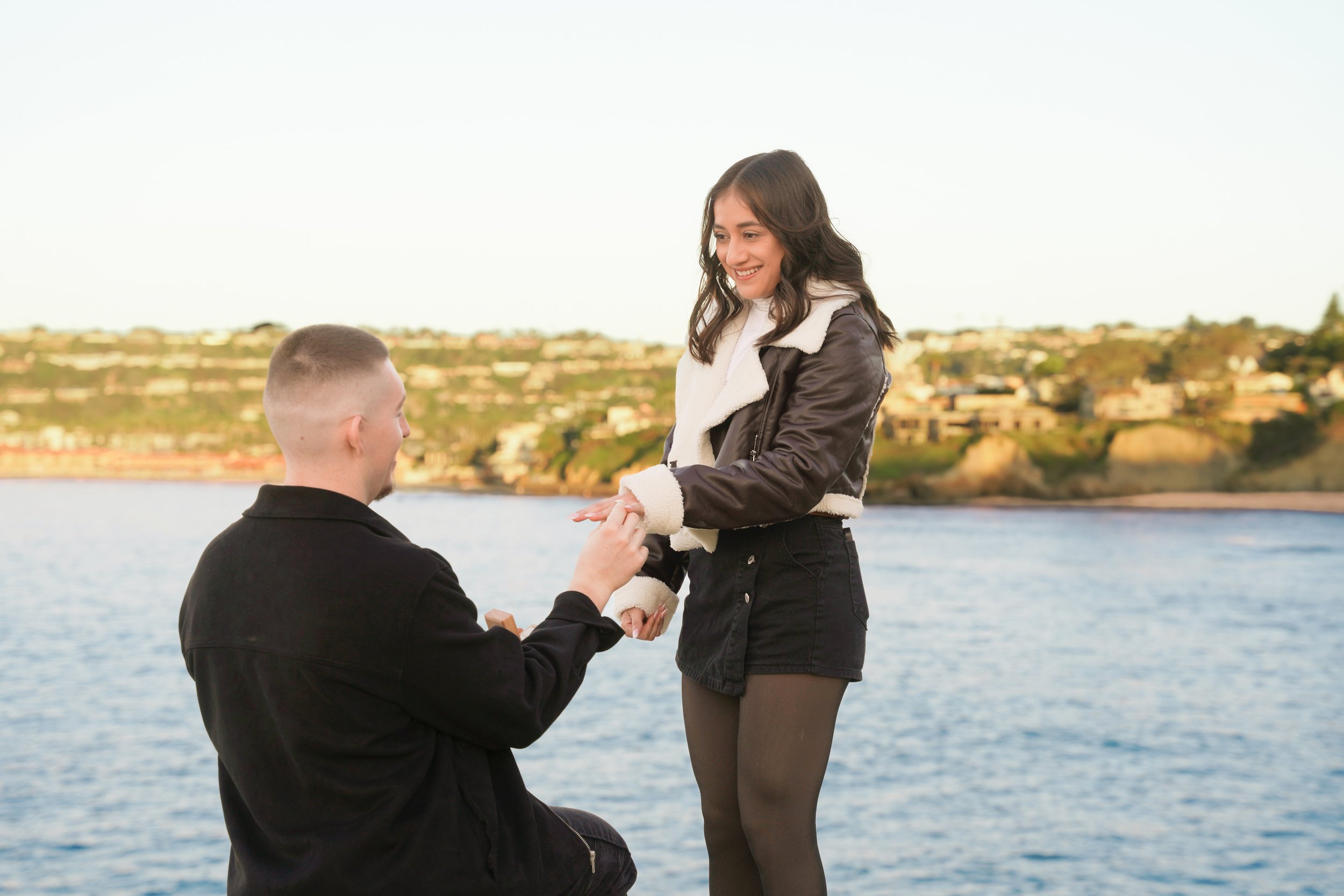
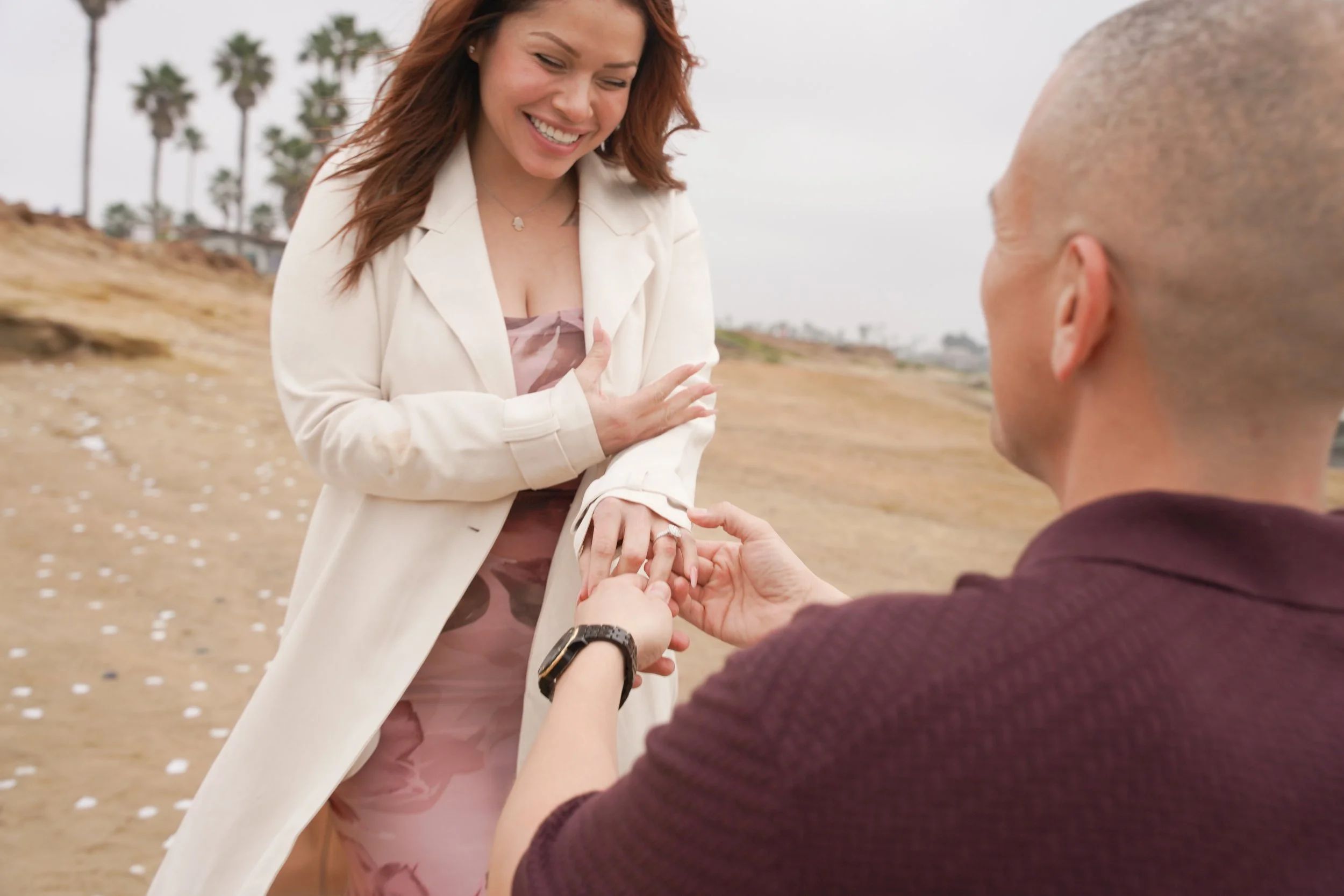
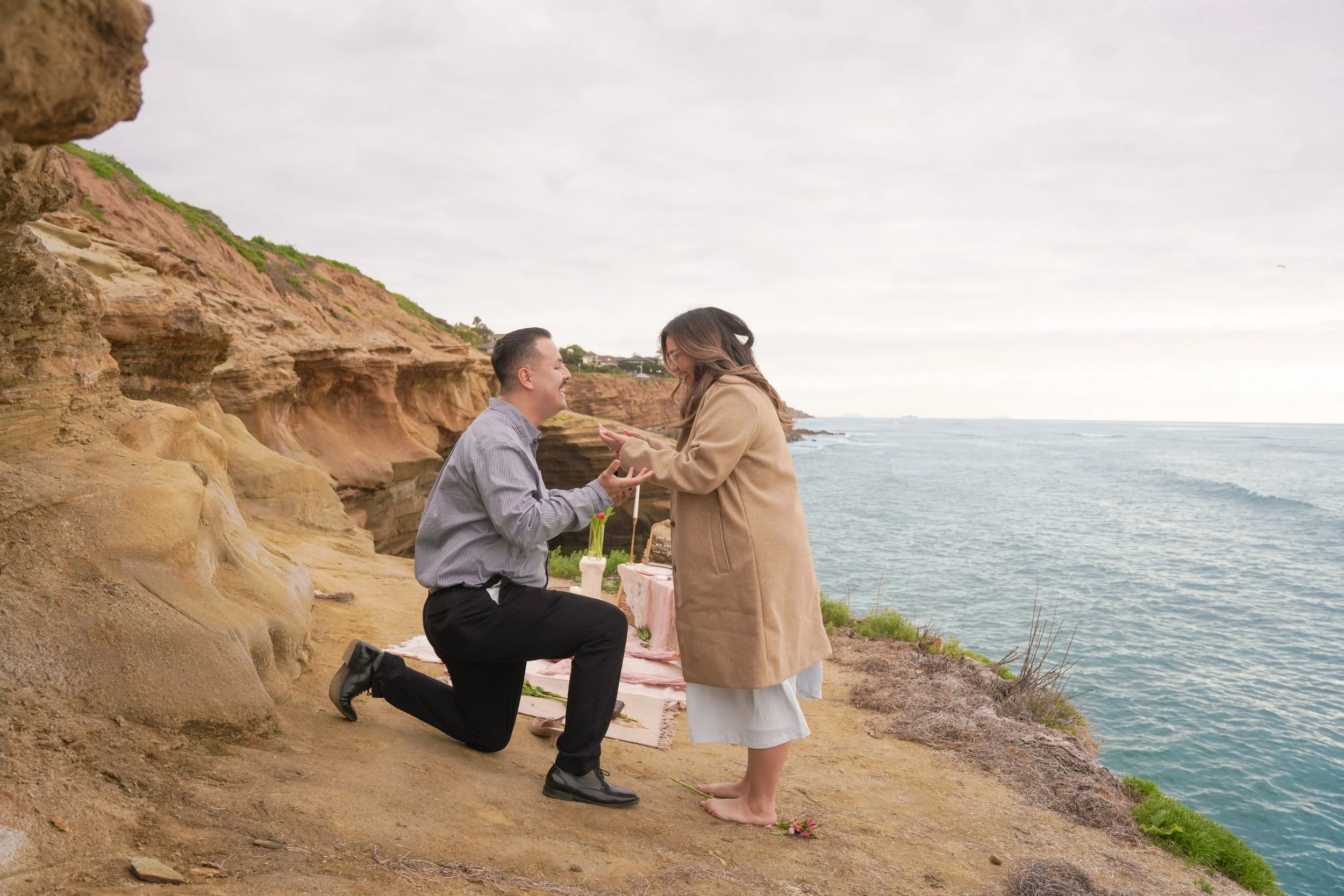
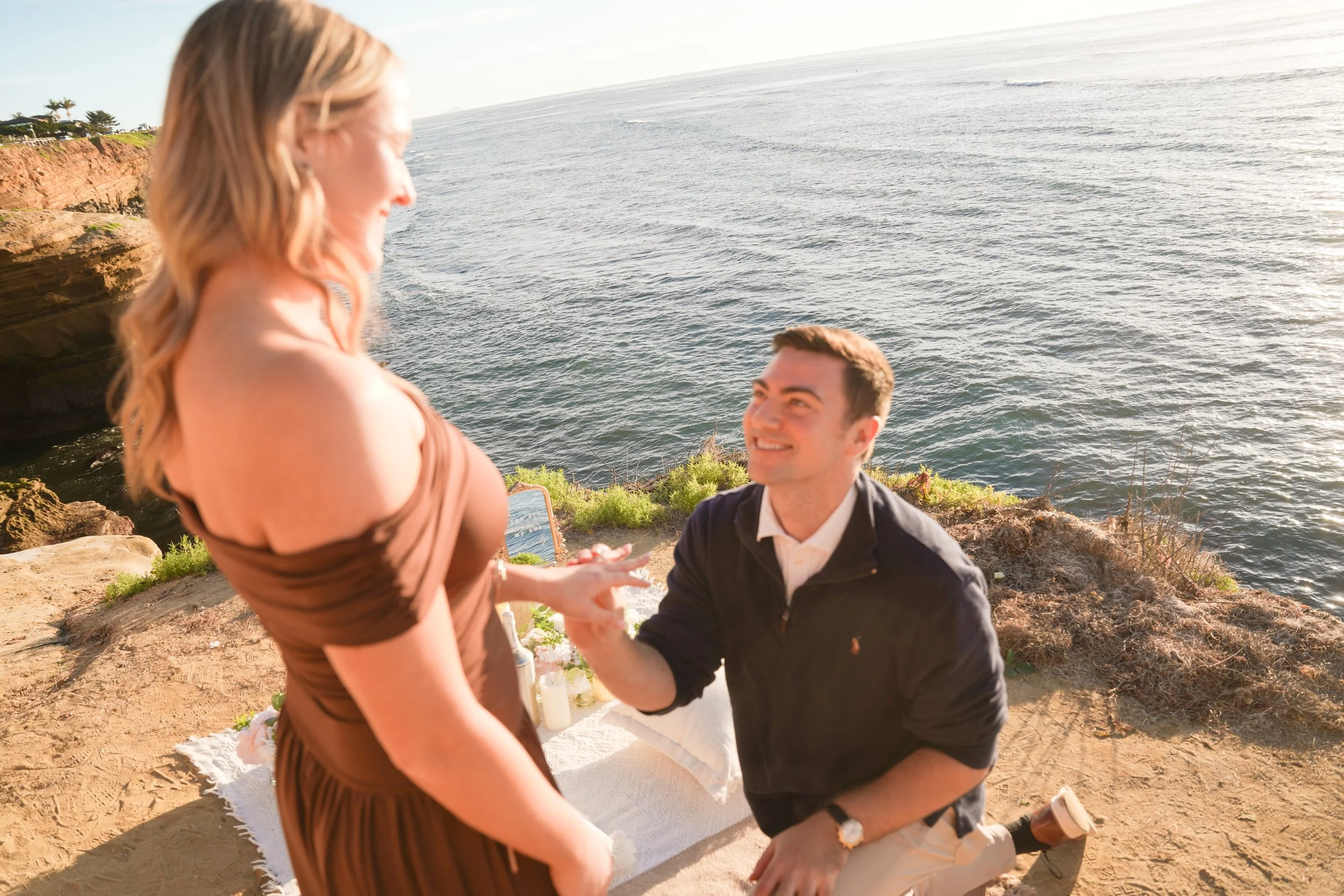
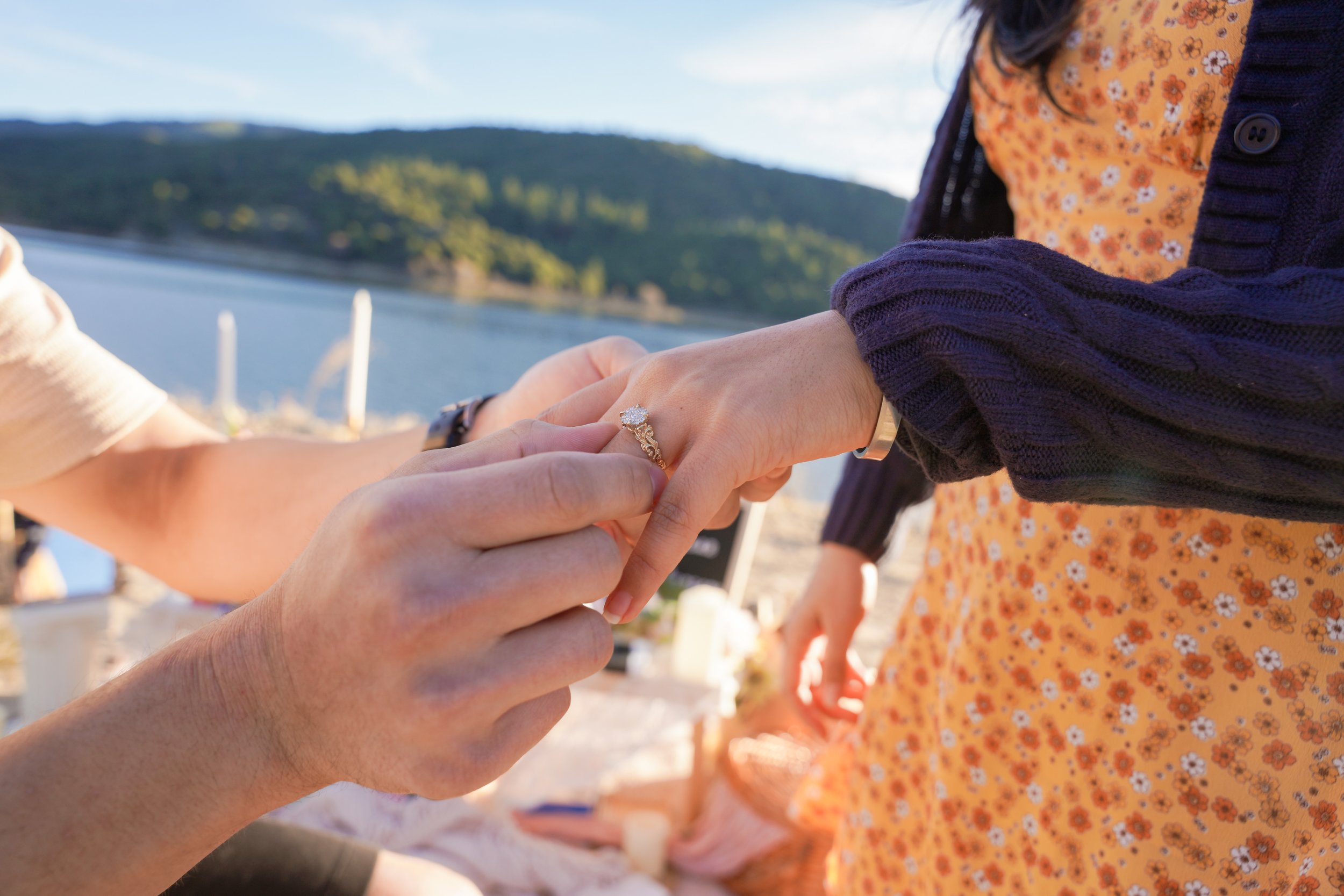
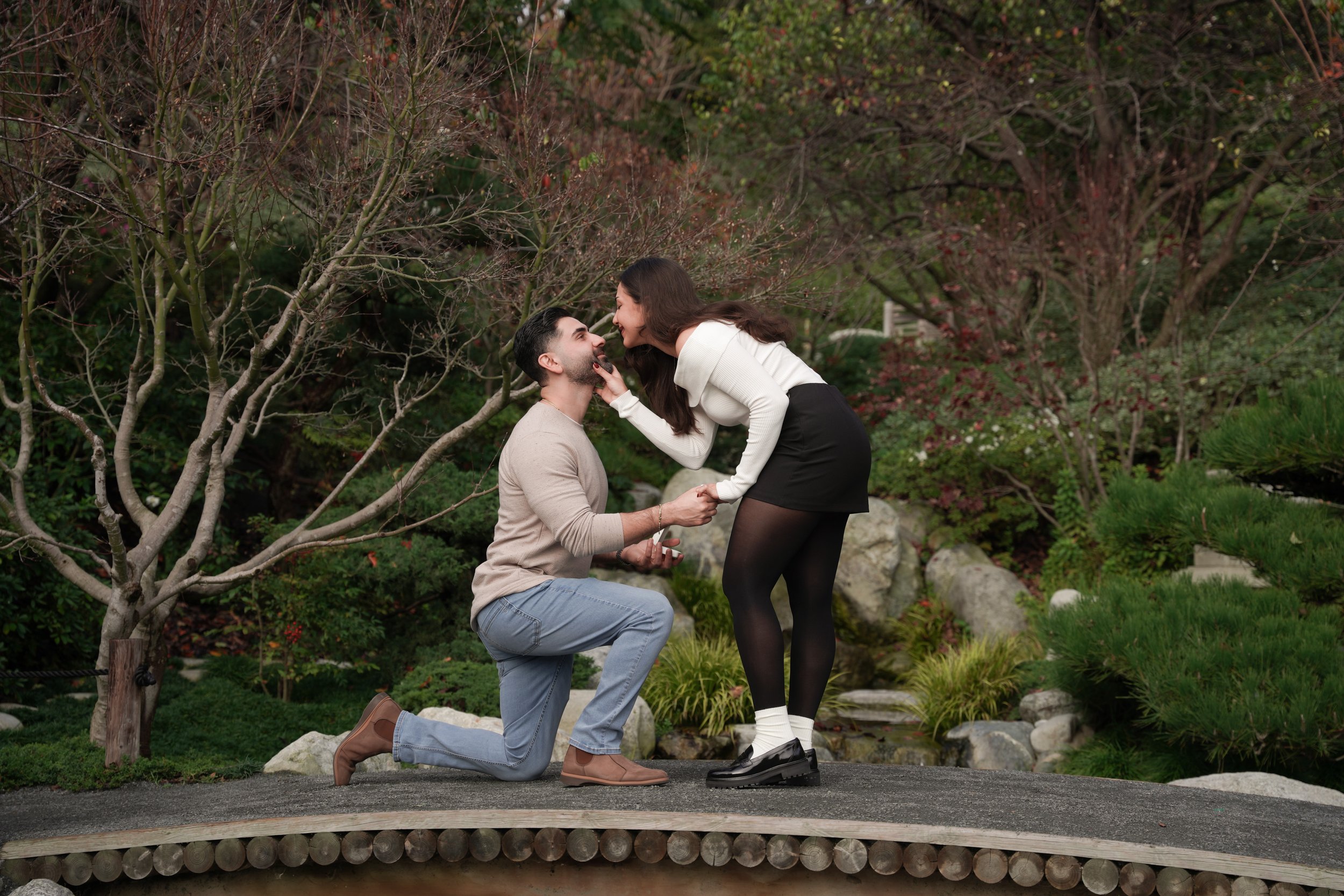
What Our Proposal Packages Are Designed To Provide
At Last Minute Photoshoot, our packages were built around one idea:
certainty.
Most clients who reach out are either traveling through Southern California or are local but unsure where to begin. They’re not looking for a large production — they’re looking for someone they can trust to guide the process.
Our experiences typically include:
Location guidance based on lighting, privacy, and timing
Proposal timeline planning
Cover story assistance to protect the surprise
GPS coordinates sent to your exact proposal spot
Early arrival to assess crowds and conditions
Real-time communication and signaling
Professional photography coverage
Edited images delivered through a private gallery
Raw proposal video captured during the “yes”
Sneak peeks shortly after your session
For clients wanting something elevated, we also offer styled proposal setups such as picnic experiences designed specifically for locations like Sunset Cliffs and coastal viewpoints.
Why Many Clients Choose This Approach
Most couples don’t actually want to become event planners for one day.
They want reassurance.
They want someone who has done this before — someone who knows when conditions change, how to pivot quickly, and how to keep the experience calm even if plans shift.
Whether you’re proposing during a weekend trip to San Diego, visiting wine country in Temecula, or planning something meaningful close to home, having guidance removes the pressure from an already emotional moment.
Traveling Clients vs Local Clients
For Traveling Couples
You may not know the area, lighting conditions, or crowd patterns. Having local expertise helps eliminate guesswork when your timeline is tight.
For Local Couples
The challenge is often the opposite — too many options. Choosing the right location and timing can feel overwhelming without experience planning proposals.
Both situations benefit from structure, planning, and someone managing details behind the scenes.
What You’re Really Investing In
When couples book a proposal experience, they’re not just investing in photos or decor.
They’re investing in:
confidence leading into the day
a plan that flows naturally
guidance when nerves kick in
and peace of mind knowing someone is managing the moment with them.
Because when the question is asked, there’s no redo.
Final Thoughts
If you’re simply looking for someone to show up and take pictures, many photographers offer that.
But if you’re looking for guidance, planning support, and an experience designed to feel effortless from start to finish, working with a proposal specialist can make all the difference.
The goal isn’t a perfect production.
It’s a real moment — executed with clarity, calm, and confidence.
If you’re planning a surprise proposal in San Diego, Orange County, Los Angeles, or Temecula, we’re always happy to help you build a plan that feels natural, personal, and stress-free.
Start Your Journey With Us Here
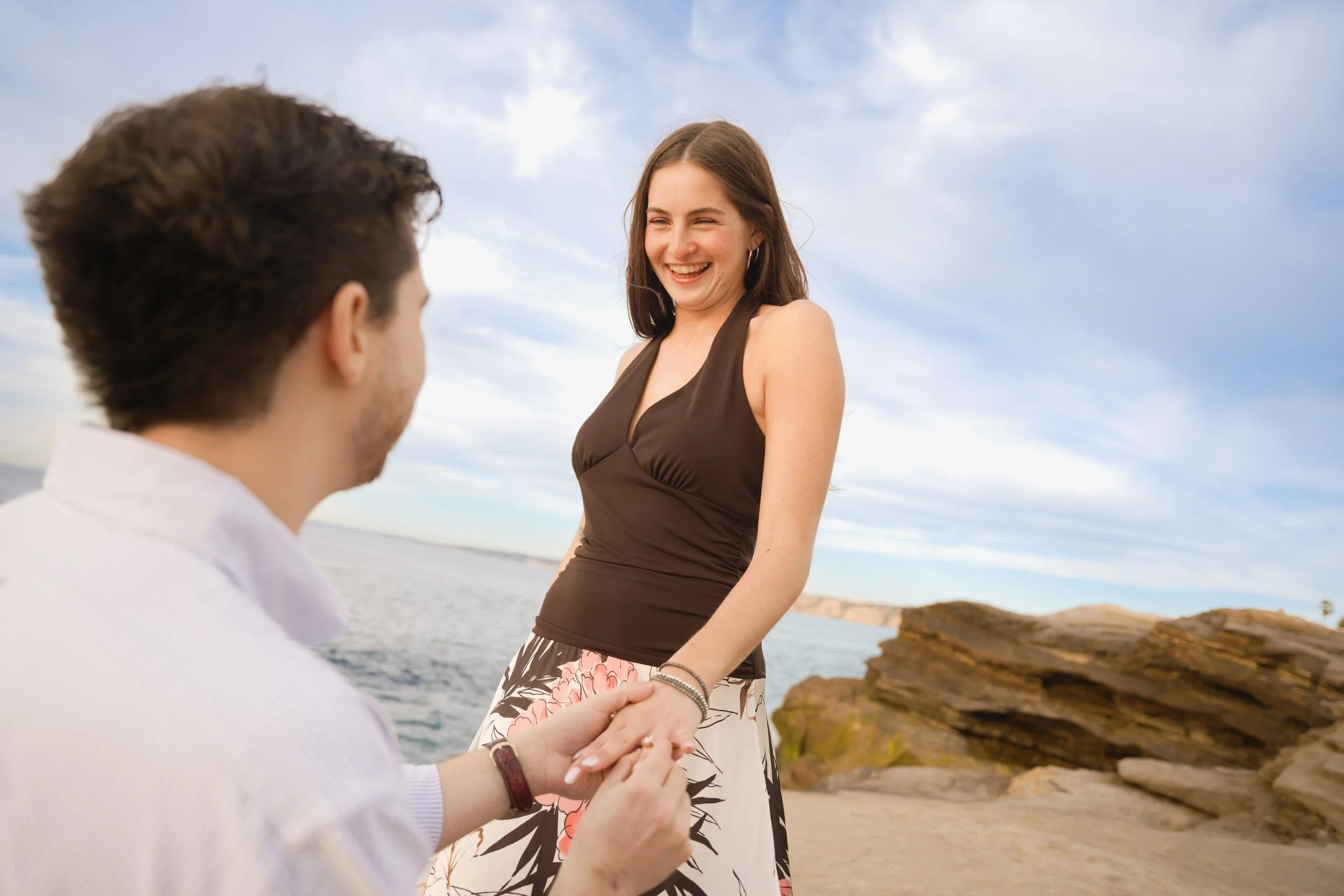
Why Cheap Proposal Photography Can Cost You the Moment
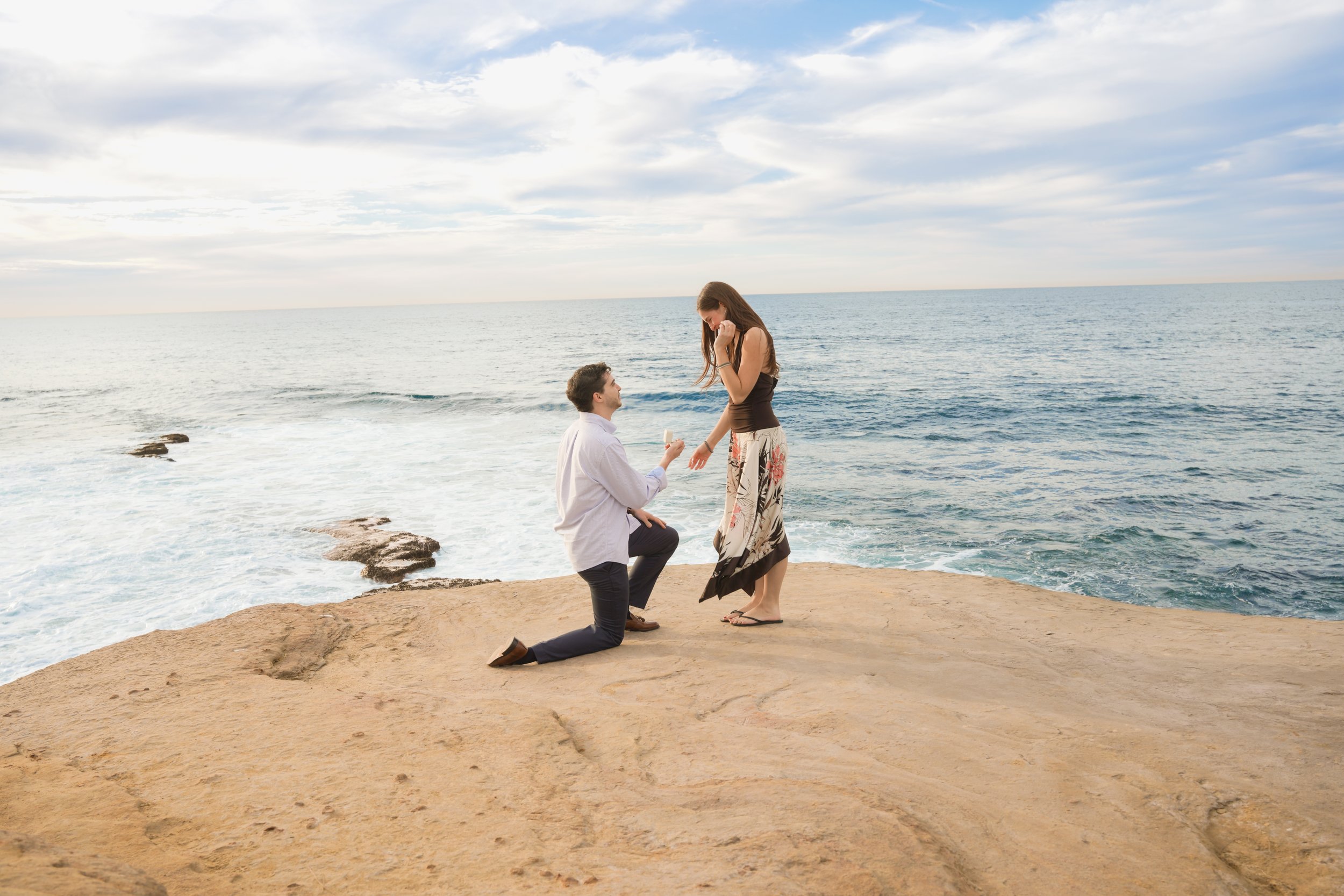
Saving money on proposal photography can cost far more than expected. A proposal happens once — there are no retakes if focus is missed, positioning is wrong, or the photographer freezes under pressure. Experienced proposal photographers prepare timelines, study lighting, plan approach angles, and carry backup gear so the reaction is captured perfectly. Lower-cost options often lack preparation and contingency planning, which leads to missed expressions, blocked views, and unrecoverable memories. The difference isn’t editing style — it’s certainty. When the moment lasts seconds but the photos last a lifetime, reliability matters more than price. Choose preparation, experience, and calm execution so the memory survives the day exactly as it happened.
A proposal lasts seconds.
The photos last decades.
Most couples don’t realize this until after they start searching for a photographer — because photography pricing looks confusing from the outside. One person charges $150. Another charges $600+. The photos on Instagram look similar at first glance.
So the question becomes: why pay more?
Because proposal photography is not about photos.
It’s about certainty during a moment that cannot be repeated.
Why Cheap Proposal Photography Can Cost You the Moment explains how inexperience shows up exactly when timing, guidance, and reliability matter most. Choose a team that plans, prepares, and protects the “yes” so you don’t spend the day managing problems instead of living it.
Explore Proposal Packages
The Risk Nobody Thinks About
Unlike portraits, you cannot redo a proposal.
You don’t get a second reaction.
You don’t get a second surprise.
You don’t get a second “yes.”
If the photographer misses focus, stands in the wrong place, exposes incorrectly, or freezes under pressure — the moment is gone forever.
Cheap proposal photography is rarely cheap because of camera quality.
It’s cheap because of experience under pressure.
The Real Difference: Reaction vs Posing
A normal photoshoot captures posed expressions.
A proposal captures a human reaction measured in fractions of a second.
A professional proposal photographer prepares for:
the exact direction you’ll walk from
the lighting angle at that minute
how to avoid being seen too early
where your partner will turn when surprised
how far to stand to capture emotion and context
how to shoot silently without breaking the moment
A beginner reacts after the proposal starts.
A professional is ready before it happens.
That difference is the photograph.
Equipment Isn’t Just Gear — It’s Insurance
Lower-cost photographers often bring one camera body and one lens.
Professionals bring redundancy because electronics fail.
We prepare for:
battery failure
card corruption
sudden weather change
harsh backlighting
crowded backgrounds
unexpected movement
You never see these problems — because they’re solved before you notice them.
Cheap photography assumes everything goes right.
Professional photography assumes something will go wrong.

Planning Is What You’re Actually Hiring
Many couples think they’re hiring someone to “take pictures.”
In reality, you’re hiring someone to quietly direct the moment without controlling it.
Before the proposal, preparation often includes:
scouting positioning
timeline building
cover story coordination
crowd prediction
weather monitoring
backup locations
lighting strategy
This is why experienced proposal photographers cost more — you’re not paying for 10 minutes of shooting.
You’re paying for preventing a mistake that cannot be undone.
The Cost Of Saving Money
When couples regret photography, it’s rarely about editing style.
It’s about:
missed reactions
bad angles
blocked views
harsh shadows
soft focus
or no photos at all
The proposal still happened.
But the memory was never preserved properly.
And years later, that’s the part that hurts.
What You’re Really Investing In
You’re not buying images.
You’re buying confidence.
Confidence that:
someone will show up early
someone understands timing
someone anticipates movement
someone adapts instantly
someone protects the memory
Because the value of proposal photography isn’t visible on the day you book.
It becomes visible the day you open the gallery.
Final Thoughts
Affordable photography can work for repeatable events.
A proposal isn’t repeatable.
You only get one unfiltered reaction from the person you love most.
No discount can recreate that if it’s missed.
Choose based on trust, preparation, and experience — not just price.
The moment is short.
The decision lasts forever.
Start Your Journey With Us Here

Why Most Surprise Proposals Fail — And How to Avoid a Once-in-a-Lifetime Mistake
A surprise proposal is not a casual moment — it’s a one-time event with no retakes. Yet many proposals fail because critical details were never planned for: shifting light, unexpected crowds, unusable locations, or last-minute panic. This guide breaks down why most surprise proposals fall apart and how to avoid common mistakes that can’t be undone. From advance location scouting and real backup plans to exact GPS pins and calm execution, we explain what professional proposal planning actually looks like behind the scenes. Because when you’re proposing once, guessing isn’t an option — and getting it right the first and only time matters.
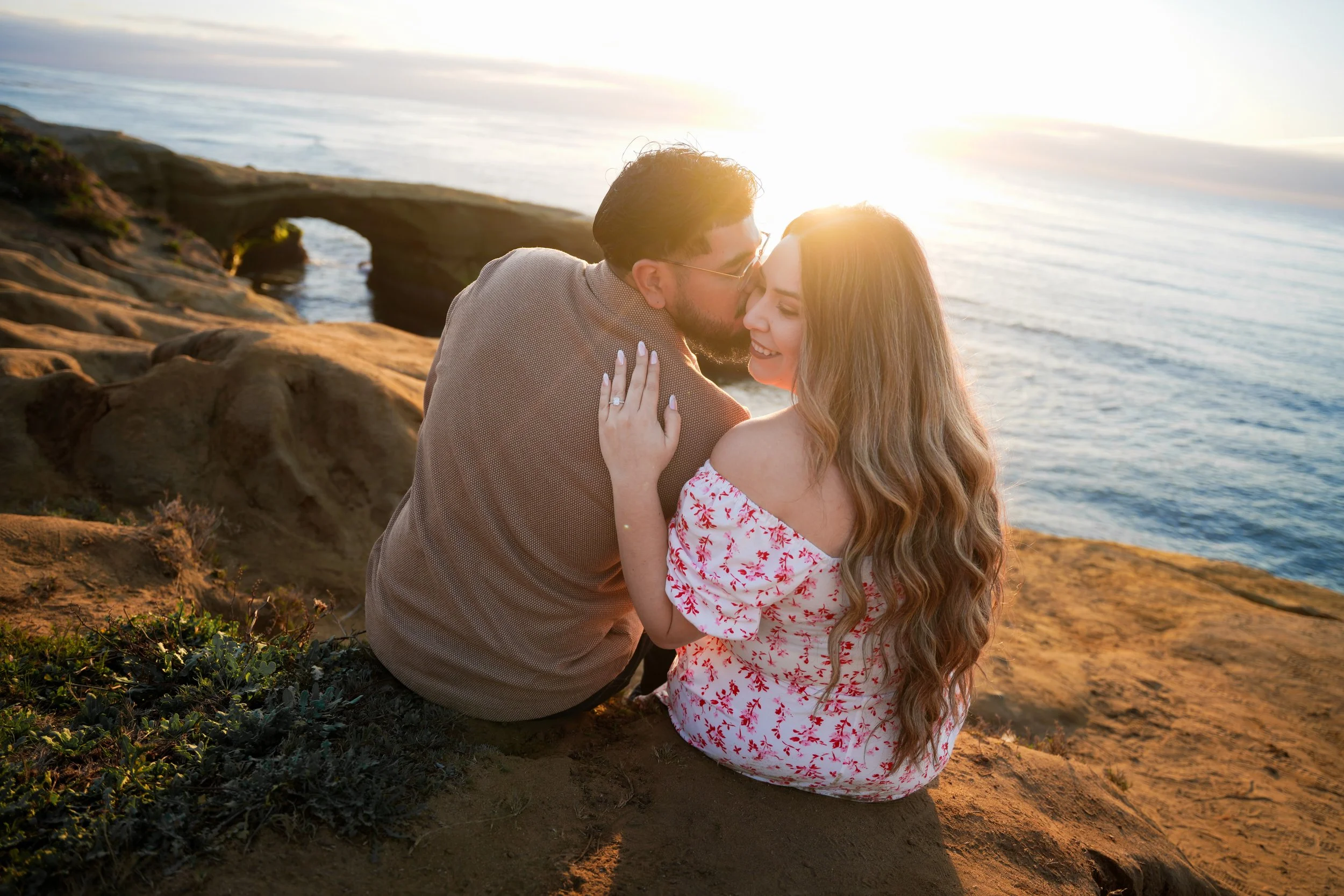
Post-engagement photography at Sunset Cliffs San Diego, documenting a newly engaged couple along the coastal cliffs with intentional composition, natural light control, and professional execution following a surprise proposal.
A surprise proposal is not a casual photo session.
It is a live, one-take moment with no rewind button.
Yet most people are sold a simplified version of reality:
Pick a spot. Show up. Drop to one knee. Hope it works.
That version ignores what actually causes proposals to fail — and why so many couples walk away saying, “We didn’t expect that to happen.”
After planning and photographing surprise proposals across beaches, cliffs, courthouses, gardens, wineries, and public landmarks, we’ve seen the pattern clearly:
Proposals don’t fail because people don’t care.
They fail because critical details were never planned for.
Why Most Surprise Proposals Fail — And How to Avoid a Once-in-a-Lifetime Mistake explains how small oversights compound into rushed, stressful moments that can’t be redone. When you book with Last Minute Photoshoot, you’re choosing structure, foresight, and professional guidance — so your proposal unfolds with confidence instead of uncertainty.
Explore Proposal Packages
The Biggest Lie About Surprise Proposals
The biggest misconception is that surprise proposals are passive moments.
They’re not.
They are active environments influenced by:
Light that shifts by the minute
Crowds that change without warning
Wind, noise, rangers, security, and closures
Nerves that cause people to rush or freeze
Locations that look perfect online but behave very differently in real life
A proposal doesn’t need more romance.
It needs control, foresight, and calm execution.
Where Most Surprise Proposals Go Wrong
Here are the most common failure points couples never see coming:
Crowds appear suddenly
What looks empty at noon can be packed at sunset. Weekdays and weekends behave very differently.
Light disappears faster than expected
Cliffs, hills, buildings, and trees kill light early. Sunset time does not equal usable light.
The “perfect spot” isn’t actually workable
Bad angles, backlighting, blocked views, or no room to move quietly.
Setups get flagged or shut down
Large décor, furniture, or obvious staging can attract attention fast.
No real backup plan
“We’ll figure it out” isn’t a plan when a moment only happens once.
The proposer rushes the moment
Nerves take over when there’s no clear cue, positioning, or reassurance.
Once the moment passes, there is no fixing it.
What You’re Actually Booking When You Book Us
When you book with us, you’re not booking “an hour of coverage.”
You’re booking certainty.
What most people never see behind the lens is the work that happens before the day ever arrives.
If we haven’t photographed your chosen location yet, we don’t guess.
We travel there in advance.
We walk the area.
We observe crowd flow, light direction, wind patterns, and usable angles.
We identify multiple viable proposal spots — not just one.
Then we relay all of this back to you clearly, so you’re not guessing.
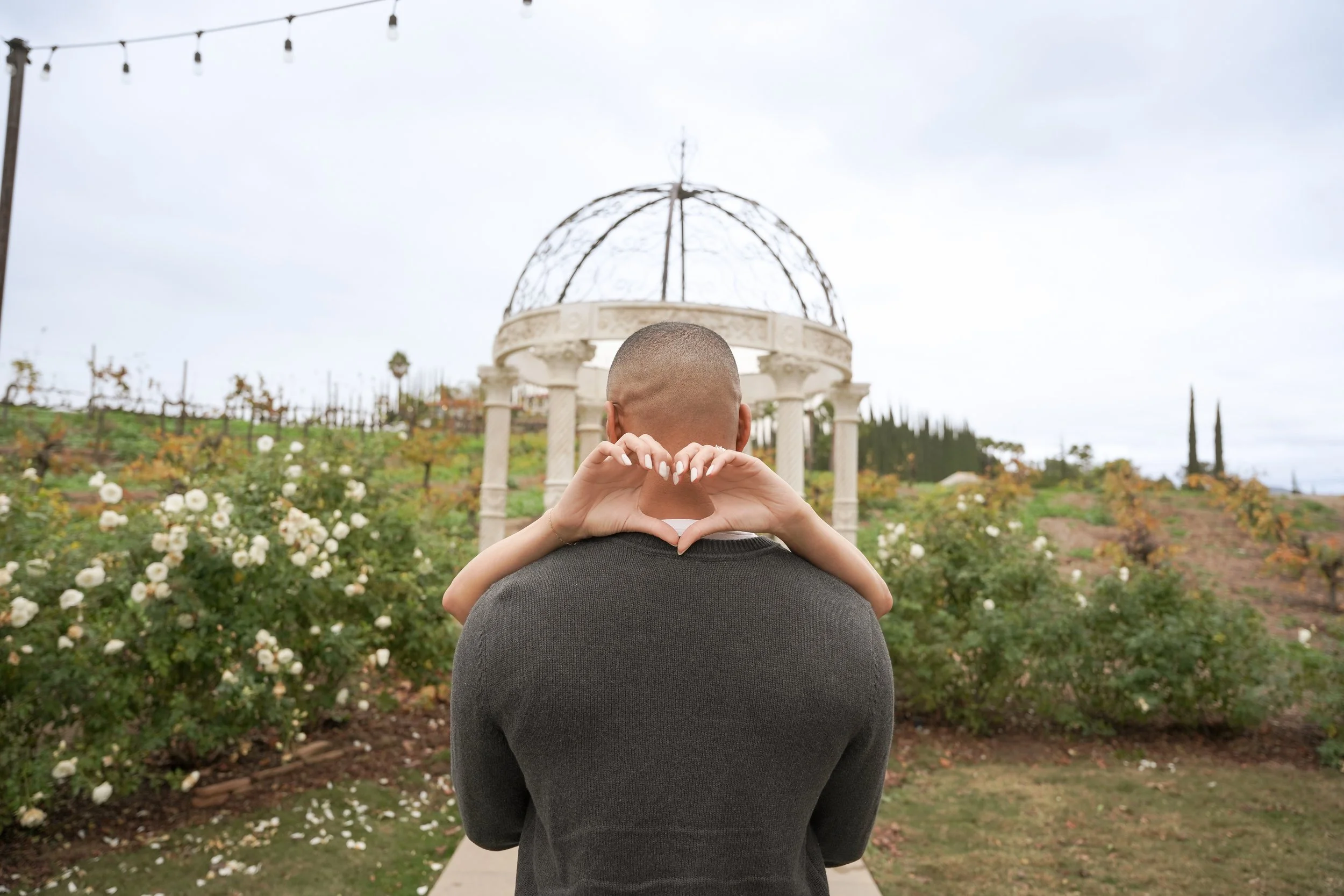
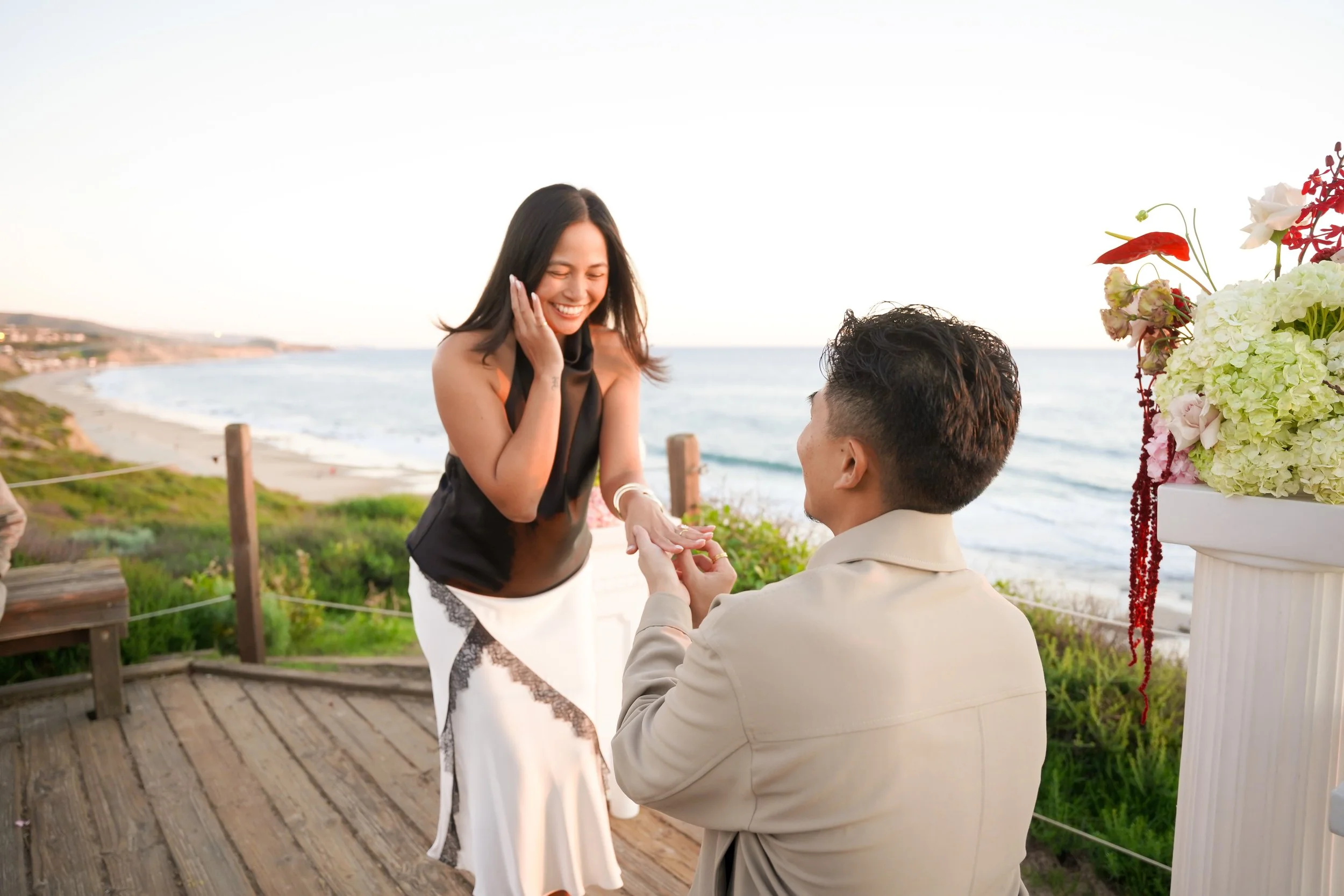
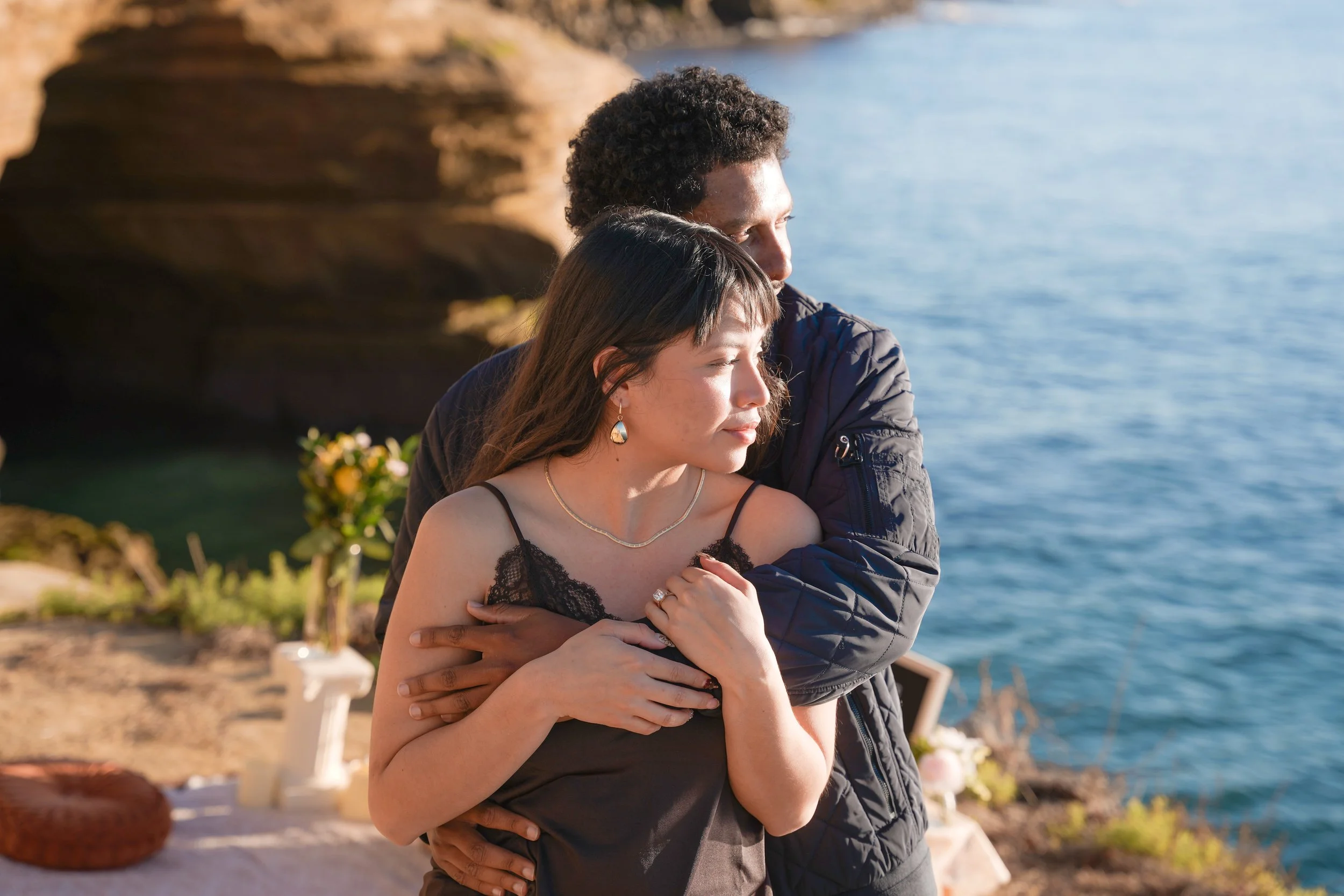
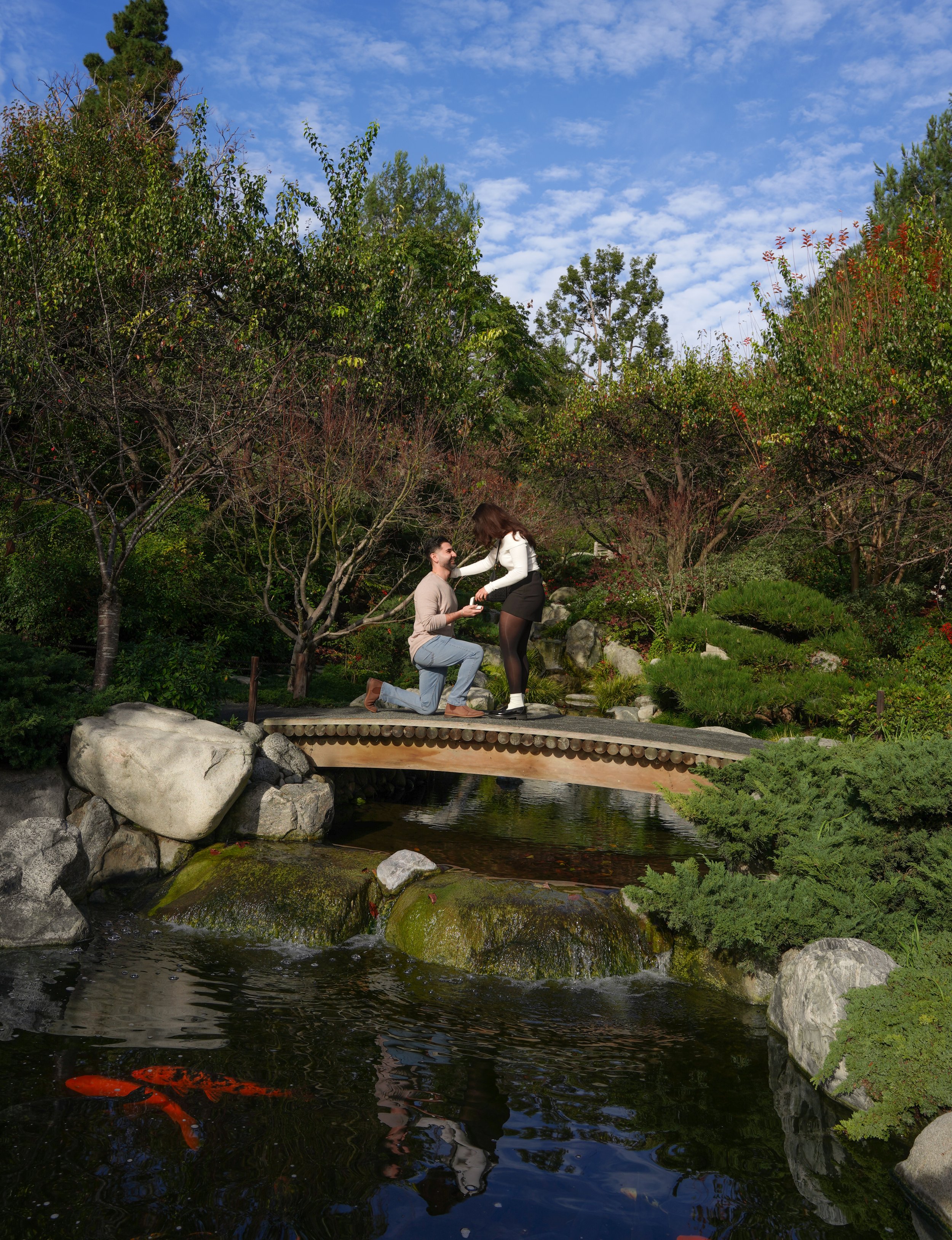
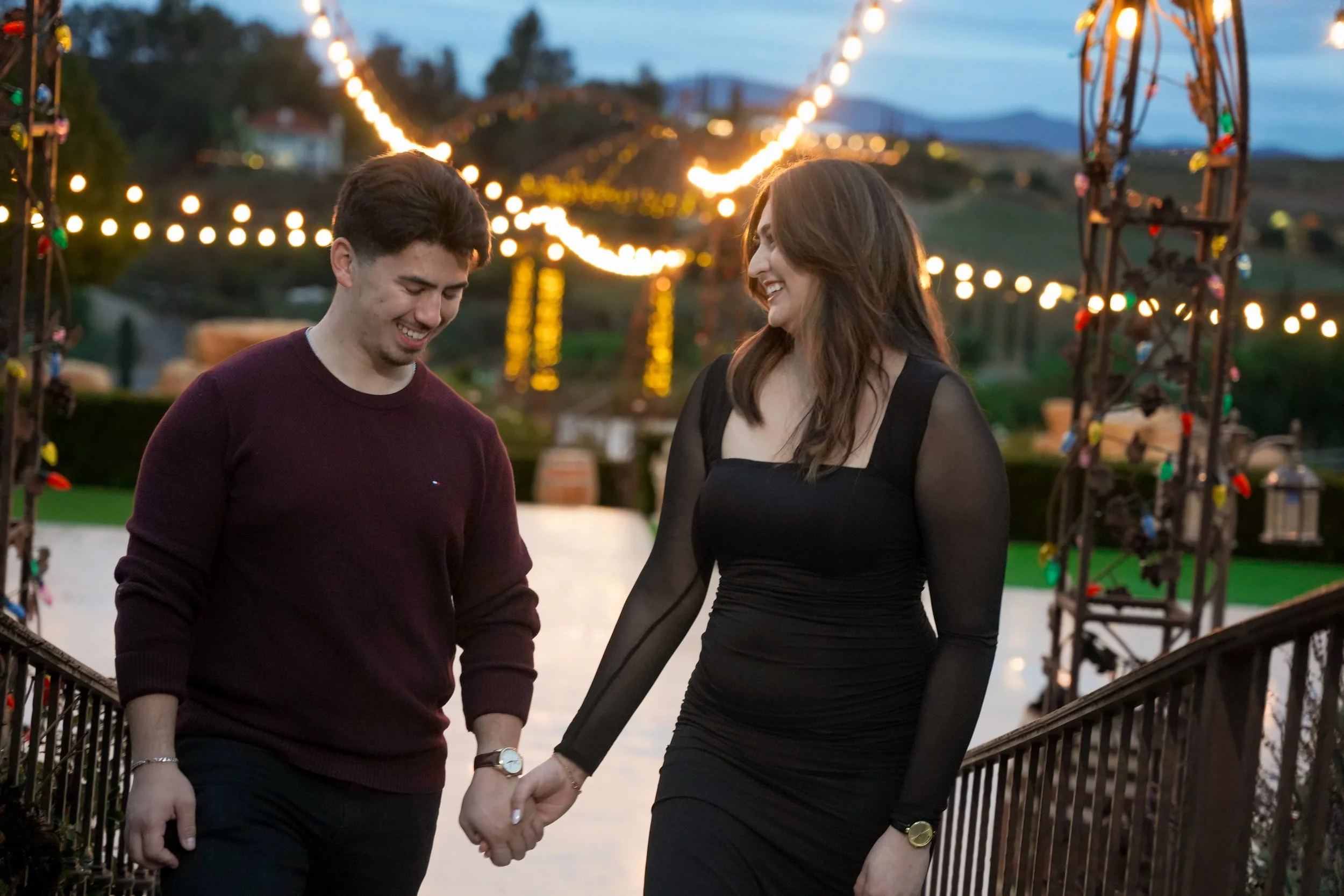
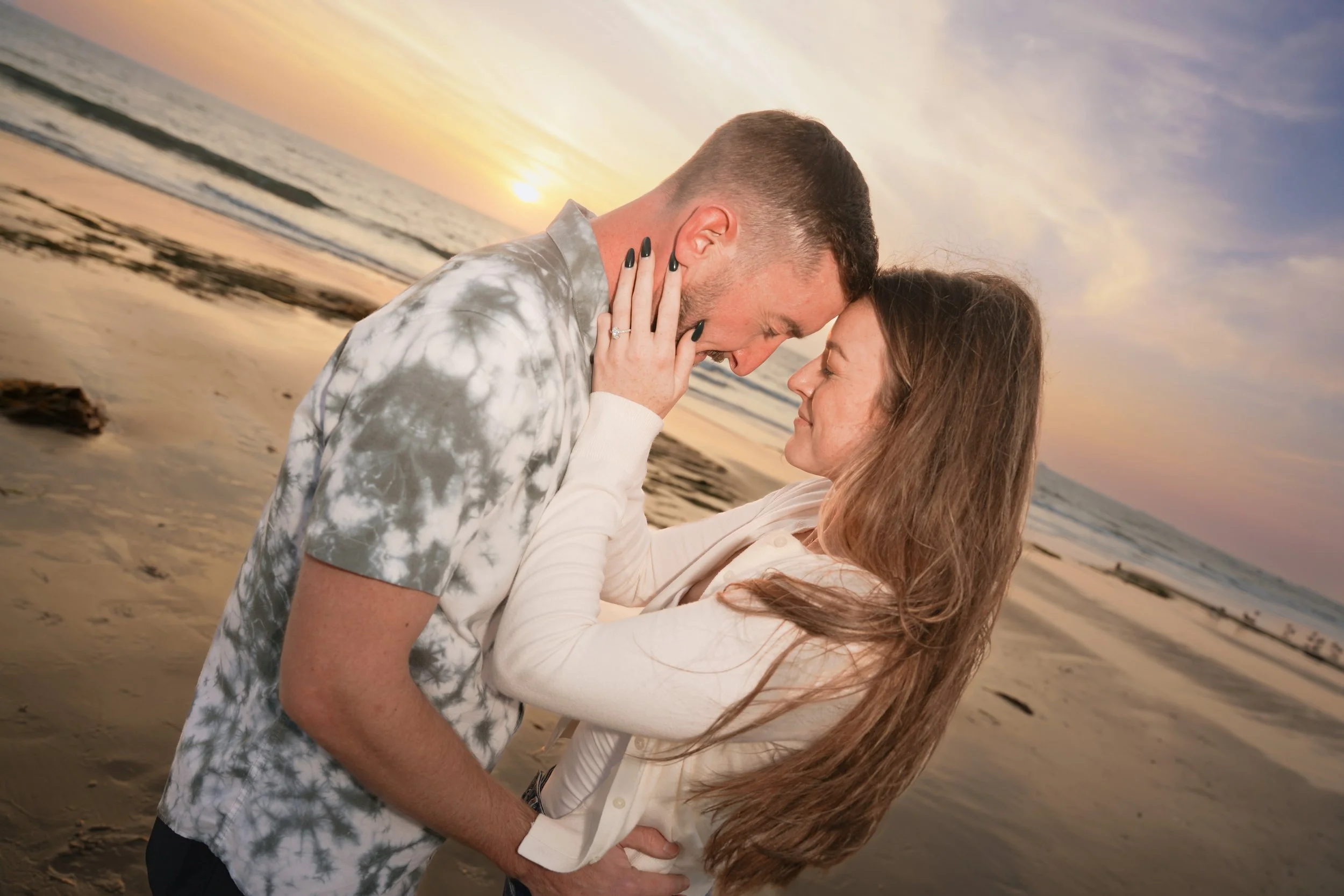
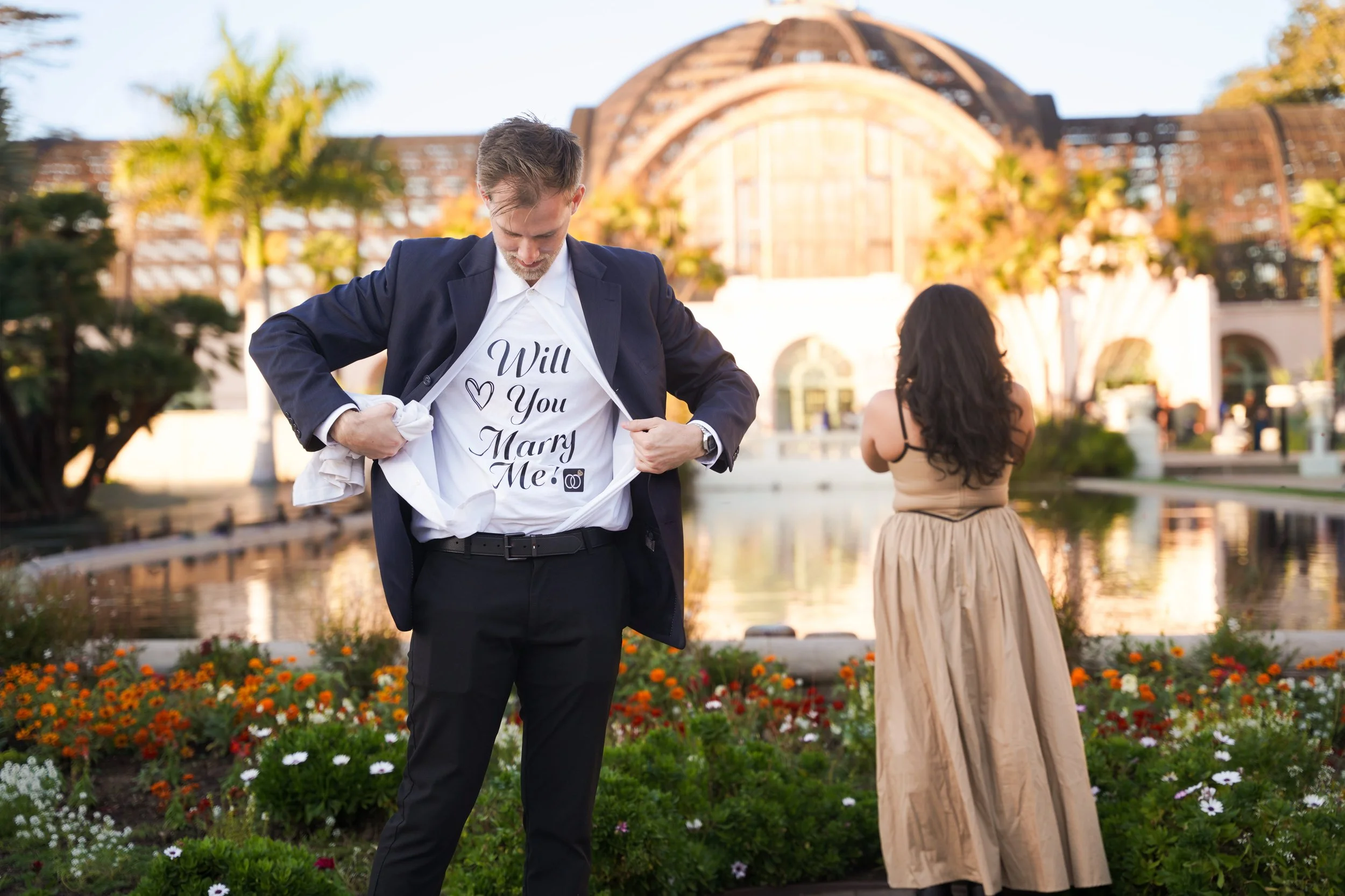
Planning Everything — So You Don’t Have To
We don’t just show up and take photos.
We communicate with you consistently leading up to the proposal:
Confirming timing
Adjusting for seasonal light changes
Refining the plan based on weather or crowd expectations
Finalizing positioning so the moment unfolds naturally
We provide exact GPS pins for:
Where the proposal will happen
Where we will be standing
Where you should walk from
On the day of your proposal, you’ll also have our GPS pins, so you’re never wondering where we are or whether you’re in the right place.
Because on one of the most important days of your life, you should not be left guessing.
Why “Last Minute” Is a Skill — Not a Risk
Plans change. Weather shifts. Locations fill up.
Early on, last-minute pivots used to shake us too — until experience taught us something critical:
Calm execution comes from preparation.
Now, pivoting within 24 hours isn’t chaos.
It’s part of the job.
We’ve adjusted plans same-day.
We’ve rerouted proposals quietly.
We’ve shifted angles, timing, and positioning without the client ever feeling the stress.
That’s not luck.
That’s experience.
When You Should Not Book Us
We’re not the right fit if:
You just want a few photos and no planning
You’re okay with uncertainty
You don’t want guidance or structure
You’re comfortable “winging it”
But if you’re proposing once — and want it done right — then planning matters.
Who This Is Actually For
This experience is for people who:
Understand this moment cannot be recreated
Value certainty over trends
Want to be present, not anxious
Prefer calm execution over guesswork
A flawless proposal doesn’t happen by accident.
It happens because someone planned for what you never even knew to worry about.
That’s what we do.
Final Thoughts
A surprise proposal is a once-in-a-lifetime moment.
You don’t get a second chance to recreate the nerves, the buildup, or the look on their face when they realize what’s happening. That’s why getting it right the first — and only — time matters.
When the planning is handled and the details are secured, you’re free to be fully present in the moment that changes everything.
Because this isn’t just a photoshoot.
It’s the beginning of a forever story — and it deserves to be done right.
Start Your Journey With Us Here
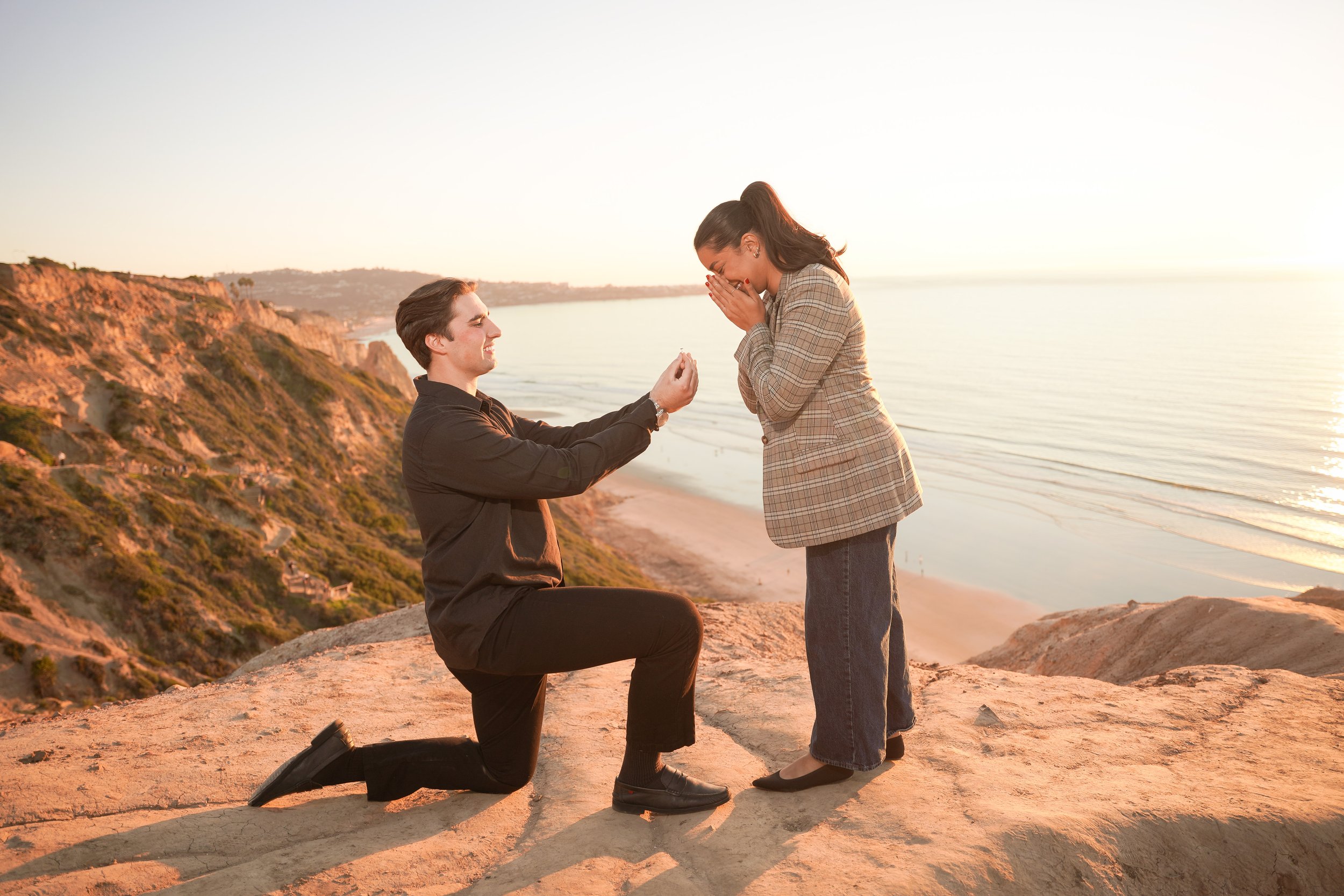
From Panic to Peace: How We Help Clients Relax Before the Surprise Proposal
Feeling nervous before a surprise proposal is normal — and expected. Most clients don’t worry about the ring; they worry about the moment. Over the past year, after photographing multiple surprise proposals (including two back-to-back to start the year), additional proposals on separate days, and a recent courthouse wedding, one thing has become clear: calm doesn’t come from confidence, it comes from support. This guide explains how we help clients move from panic to peace through hands-on planning, realistic cover stories, clear timelines, location scouting, lighting awareness, crowd management, GPS pins, and constant communication. From booking to proposal day, clients aren’t left guessing or waiting. They’re supported every step of the way. Because a successful surprise proposal isn’t about doing everything yourself — it’s about showing up present while someone else protects the moment.

If you’re feeling nervous about your surprise proposal, you’re not doing it wrong.
You’re doing it right.
Every client we work with starts in the same place:
Excited
Overwhelmed
Afraid of messing it up
They’re not worried about the ring.
They’re worried about the moment.
Will it feel natural?
Will my partner suspect something?
What if I freeze?
What if something goes wrong?
Over the past year, we’ve photographed a growing number of surprise proposals, started this year by capturing two surprise proposals back-to-back, followed by two more on separate days, and most recently photographed a courthouse wedding. One thing has become very clear:
A successful proposal isn’t about eliminating nerves.
It’s about removing the weight from your shoulders.
Here’s how we take clients from panic to peace — long before the question is ever asked.
From Panic to Peace: How We Help Clients Relax Before the Surprise Proposal reflects what happens behind the scenes long before the ring comes out. We lead with structure, clear timelines, location strategy, and real-time guidance — so nerves don’t run the day. When you book with Last Minute Photoshoot, you gain certainty, not pressure, and the freedom to stay focused on the person in front of you.
📸 Book With Confidence
First: We Normalize the Nerves
The fastest way to make anxiety worse is pretending it shouldn’t exist.
We tell every client the same thing:
“If you’re nervous, that means you care.”
Nerves don’t mean you’re unprepared.
They mean the moment matters.
Once clients hear that, something shifts. You don’t need to be calm to propose well. You need support.
After Booking, We Don’t Disappear — We Get to Work
For many people, stress comes from this fear:
“What if I book… and then I’m on my own?”
That’s not how we work.
After booking with us, the planning actually begins.
We help with:
Planning the proposal from start to finish
Creating a believable cover story that fits your partner and the location
Building a clear, simple timeline so nothing feels rushed or confusing
You’re never left guessing what happens next.
We Scout Locations to Remove Unknowns
One of the biggest contributors to anxiety is uncertainty.
Whenever possible, we scout locations ahead of the big day to:
Get a better understanding of the area
Study lighting at the time you’ll be there
Observe crowd patterns
Identify the strongest proposal spots
We don’t rely on assumptions.
We make informed decisions so you don’t have to.
We Help You Choose the Right Proposal Spot — Not Just a Pretty One
Not every scenic location works well for a proposal.
We help determine:
Where you should stand
Where your partner should face
How the background and light will look
How the moment will feel, not just how it photographs
We also drop exact GPS pins for:
Parking
Meeting points
Proposal locations
On the day of, all you need to do is follow the pin and show up.
We Remove Decision Fatigue Early
Most proposal stress doesn’t come from emotion.
It comes from too many decisions.
Where should I stand?
When do I kneel?
What if people are nearby?
We simplify everything:
Lock in the plan early
Provide clear guidance
Answer questions before they spiral
When decisions are already made, your mind can finally relax.
We’re Available — Not Silent — Leading Up to the Big Day
With us, it’s never:
“Book → silence → proposal day”
We stay present and accessible.
We’ve had:
Back-and-forth calls with clients
Ongoing text conversations
Check-ins leading up to the big day
Reassurance messages when nerves kick in
If you need clarity, you can reach us.
If you need reassurance, we’re there.
That consistency is where peace of mind comes from.
We Replace Guesswork With Clear Signals
Instead of vague instructions, we give you:
Clear arrival cues
Simple signals for when it’s time
Confidence that we’re already in place
You never have to wonder:
“Is this the moment?”
You’ll know.
We Arrive Early So You Don’t Have To Worry
Clients shouldn’t be scanning the environment.
That’s our job.
We arrive early to:
Secure the area
Monitor crowds
Watch the light
Adjust if anything changes
By the time you arrive, the scene is already handled.
Why This Matters More Than Photos
Anyone can take photos.
What clients really need is someone who can:
Anticipate nerves
Handle pressure calmly
Think ahead
Stay present with them
That’s why we say this often:
We’re more than just your photographers.
We’re part planner, part support system, and part calm presence — especially when it matters most.
Final Thoughts
A surprise proposal doesn’t require confidence.
It requires support.
If you’re nervous, that’s normal.
If you’re overwhelmed, that’s expected.
Our role is simple:
Help you plan
Be available when you need us
Handle the details
Let you show up and be present
When the panic fades, what’s left is exactly what it should be:
connection, emotion, and a memory that feels effortless — because someone else helped carry the weight.
Start Your Journey With Us Here
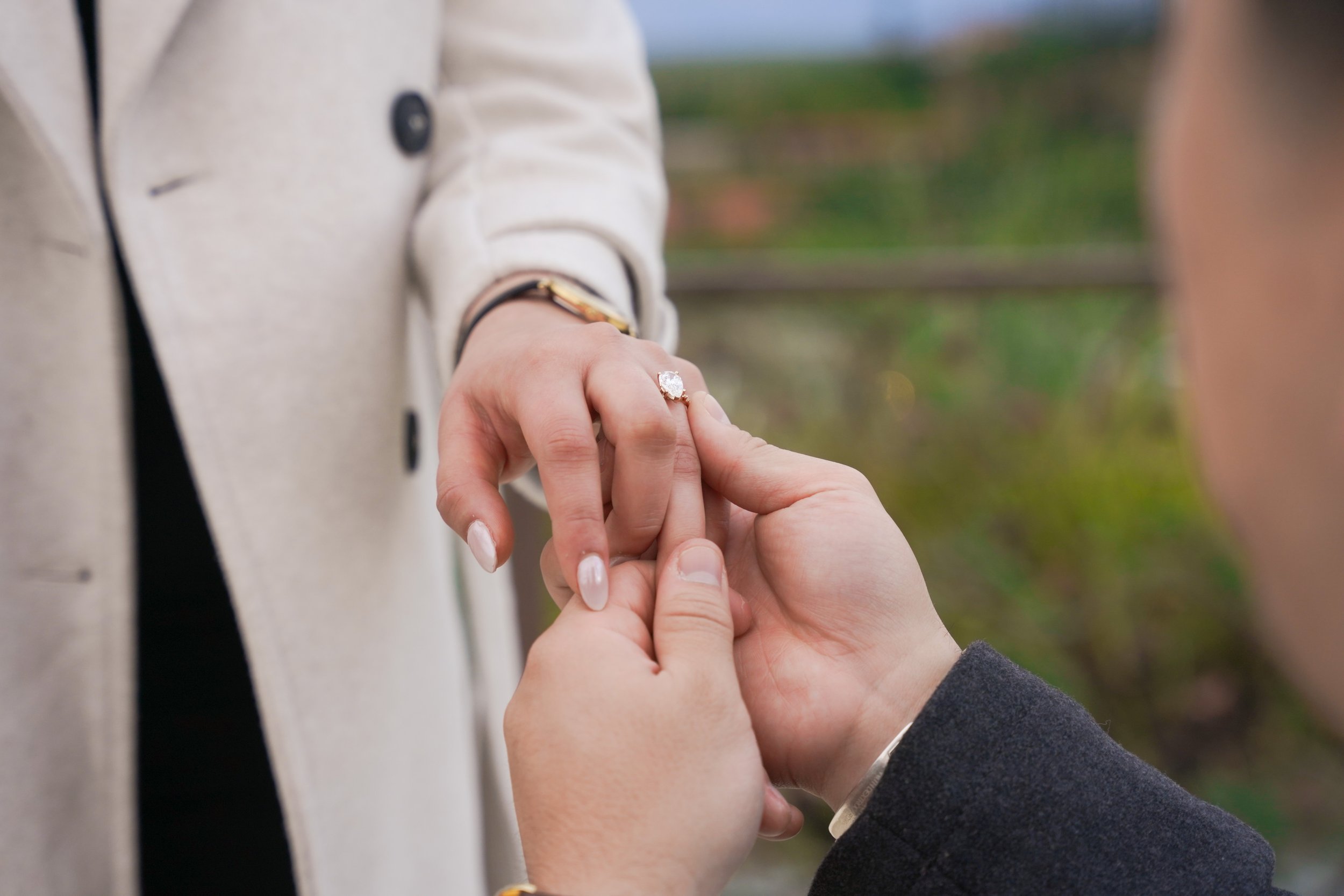
10 Things That Can Go Wrong During a Surprise Proposal (And How to Avoid Them)
A surprise proposal looks effortless when it goes right — but behind every flawless “yes” is careful planning, experience, and timing. After planning and photographing hundreds of surprise proposals across Southern California, one truth is clear: most proposal disasters aren’t caused by bad intentions, but by assumptions, inexperience, and lack of preparation. Crowded locations, poor timing, visible photographers, nerves, outfit mistakes, permit issues, and even well-meaning family or friends can quietly derail a once-in-a-lifetime moment. This guide breaks down the 10 most common things that go wrong during surprise proposals — and exactly how to avoid them. From location scouting and discreet execution to grooming guidance, backup plans, and post-proposal flow, this article offers practical insight for anyone who wants certainty, peace of mind, and a proposal that feels natural, intimate, and unforgettable. Because the goal isn’t perfection — it’s being fully present while someone else protects the moment.
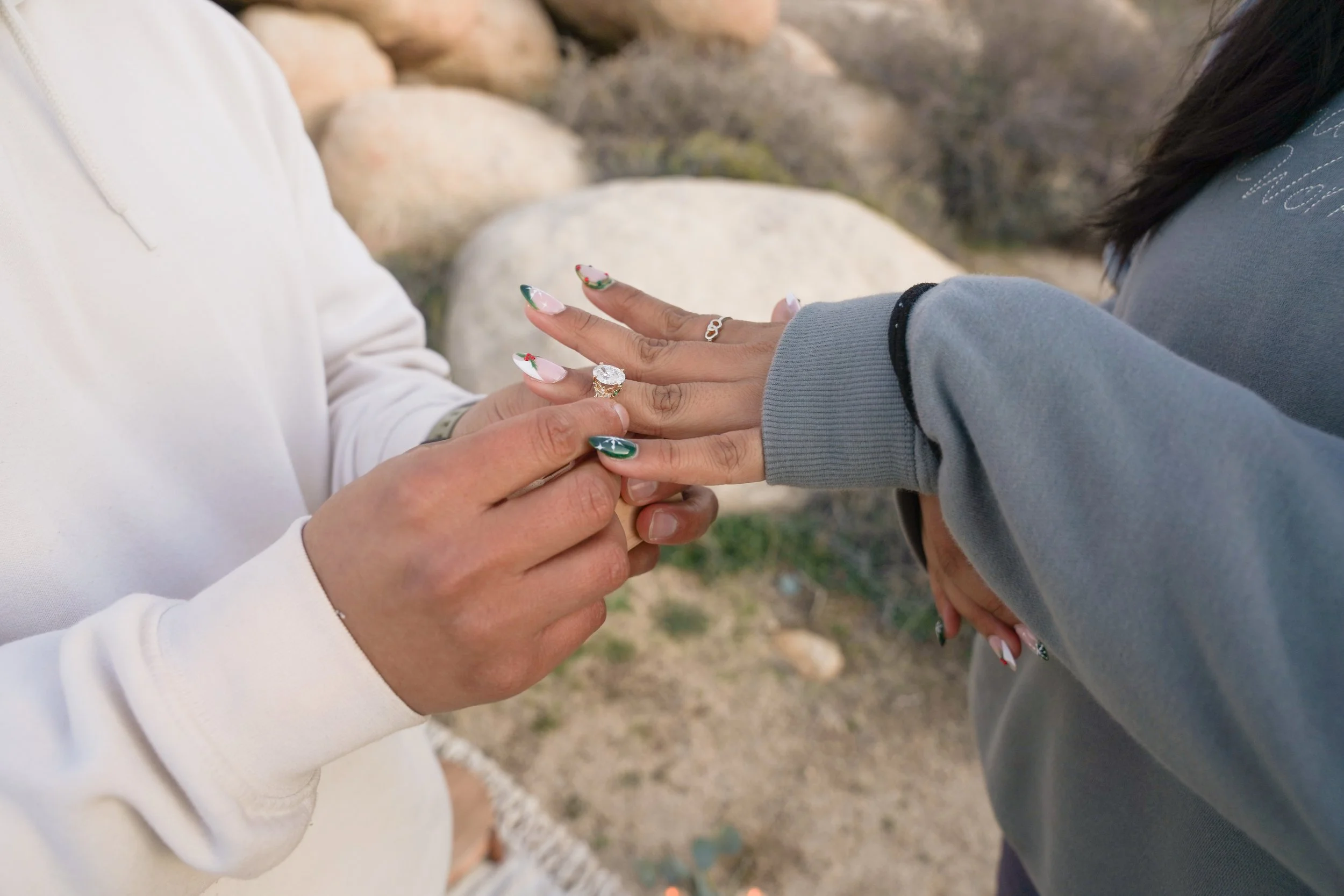
A surprise proposal looks effortless when it goes right.
Two people. A beautiful setting. A genuine moment. A “yes.”
What most people don’t realize is how easily that moment can unravel.
After planning and photographing hundreds of surprise proposals across Southern California — from cliffs and beaches to parks, courthouses, wineries, and city streets — one truth stands out:
Most proposal disasters don’t happen because of bad intentions.
They happen because of assumptions, inexperience, and lack of planning.
Below are the most common things that go wrong during a surprise proposal — and exactly how to avoid them.
What Can Go Wrong During a Surprise Proposal (And How to Avoid It) exists because this is one of the most emotional, high-stakes moments of your life — and it only happens once. When you book with Last Minute Photoshoot, you’re not just hiring a photographer. You’re choosing calm guidance, thoughtful planning, and the confidence of knowing someone is protecting the moment while you stay fully present in it.
📸 Book With Peace of Mind
1. The Location Is Packed With People
What goes wrong:
The location looked quiet online. In real life, it’s full of tourists, families, other photographers, drones, and people walking straight through the moment.
Suddenly:
Strangers are in every frame
Someone stops to watch or record
The moment feels exposed instead of intimate
How to avoid it:
A proposal location isn’t just about beauty — it’s about predictability.
Experienced proposal planners:
Scout locations in advance
Know peak traffic times by season and day
Have multiple backup spots nearby
Time the proposal down to the minute
The best proposals don’t rely on luck. They rely on preparation.
2. Your Partner Notices the Photographer
What goes wrong:
The camera is already out. The lens is pointed. The photographer looks obvious.
Suspicion creeps in.
The surprise is gone before the question is asked.
How to avoid it:
Surprise proposals require discretion and misdirection.
That means:
Blending in as a tourist, runner, or passerby
Using believable cover stories
Never raising the camera until the exact moment
Communicating with silent cues, not verbal direction
This is not the same skill set as engagement or wedding photography.
3. The Timing Is Off
What goes wrong:
The proposal happens:
Too early — harsh light, squinting, flat skies
Too late — fading light, dark faces, rushed photos
The photographer is scrambling.
The proposer feels pressure instead of presence.
How to avoid it:
Timing matters more than the location.
A proper proposal timeline accounts for:
Sun angle and direction
Seasonal sunset shifts
Shadows, wind, and temperature
Natural walking pace and pauses
The proposal should happen at the best emotional moment, not just the best view.
4. Nerves Take Over and Everything Feels Rushed
What goes wrong:
In the moment:
You forget what you wanted to say
You rush the question
You’re unsure where to stand
You feel overwhelmed instead of present
This is completely normal — and completely preventable.
How to avoid it:
The proposer should never be managing logistics.
A solid proposal plan includes:
Clear positioning guidance
Simple visual cues
Calm reassurance before arrival
Someone else handling timing and environment
When logistics disappear, emotion shows up.
5. The After-Proposal Photos Feel Awkward
What goes wrong:
The “yes” happens… and then there’s an awkward pause.
Couples don’t know what to do next.
Energy drops. Smiles feel forced.
How to avoid it:
The proposal is only the beginning.
An experienced proposal photographer:
Lets the moment breathe
Knows when to step back and when to guide
Transitions naturally into celebration photos
Captures raw reactions before posed images
The best galleries feel like a story — not a checklist.
6. There’s No Backup Plan
What goes wrong:
Weather changes
A location closes
A crowd forms unexpectedly
Security intervenes
Without a backup, stress spikes fast.
How to avoid it:
Every successful proposal has at least one Plan B.
That includes:
Secondary locations
Adjusted timelines
Alternate angles
Flexibility built into the plan
Professionals plan for problems before they happen.
7. The Photographer Is Talented — But Not at Proposals
What goes wrong:
The photographer is skilled, but:
They’ve never handled proposal nerves
They’re used to directing couples openly
They assume things will “work out”
Surprise proposals are not beginner-friendly.
How to avoid it:
Ask one simple question:
“How many surprise proposals have you planned and executed?”
Not photographed.
Planned and executed.
There’s a difference.
8. Grooming, Nails, Hair, Outfit, or Footwear Ruin the Photos
What goes wrong:
The proposal is perfect — but afterward, couples notice:
Nails weren’t done (and hands are front and center)
Hair doesn’t hold up in wind or humidity
Shoes sink into sand or slip on cliffs
An outfit looks great indoors but photographs poorly outdoors
These details don’t ruin the relationship — but they affect how the moment is remembered.
How to avoid it:
Surprise proposals are visual moments. Details matter.
Proper planning includes:
Outfit guidance based on location and season
Footwear recommendations for stability and style
Grooming reminders that don’t raise suspicion
Color guidance that photographs well in natural light
This isn’t about perfection.
It’s about anticipating what will be visible forever.
9. Permits, Rules, or Security Shut It Down
What goes wrong:
A park ranger approaches.
Security asks you to move.
A permit is required but wasn’t pulled.
Even a polite interruption breaks the emotional flow.
How to avoid it:
Not every beautiful location is proposal-friendly.
Experienced planners:
Know which locations require permits
Understand enforcement patterns
Avoid restricted zones when discretion matters
Choose setups that don’t draw attention
A proposal should feel intimate — not official.
10. No One Helps Guide the Moment After the “Yes”
What goes wrong:
The ring is on.
The answer is yes.
And then… uncertainty.
The moment stalls instead of flowing.
How to avoid it:
The proposal doesn’t end — it evolves.
Seasoned professionals:
Let emotion land naturally
Gently guide movement and pacing
Transition into celebration without killing the mood
This creates a story:
anticipation → surprise → emotion → celebration.
Bonus: Family or Friends Accidentally Ruin the Surprise
What goes wrong:
Good intentions create pressure.
Before the proposal:
Someone hints too much
Someone slips up
Too many opinions muddy the plan
During the moment:
Phones come out early
Friends try to direct
Focus shifts away from the couple
The moment becomes crowded or controlled.
How to avoid it:
Surprise proposals work best when fewer people know.
Best practices:
Limit who’s informed
Set clear boundaries
Use one point of contact
Keep the proposal moment private
A proposal isn’t a group project.
It’s a private moment that can be shared later.
Final Thoughts
A surprise proposal isn’t just a photoshoot.
It’s a once-in-a-lifetime moment with no redo button.
When it goes wrong, the disappointment is permanent.
When it goes right, it feels effortless.
That effortlessness is earned.
The goal isn’t perfection — it’s peace of mind.
Knowing:
The moment will unfold naturally
Your partner will be genuinely surprised
You’ll be fully present
The memory will be preserved the way it deserves
That doesn’t happen by chance.
It happens through experience, preparation, and calm execution.
Start Your Journey With Us Here

Is February a Good Month for a Surprise Proposal? Everything You Need to Know
February is one of the strongest months to plan a surprise proposal, both emotionally and strategically. Known as the month of love, February naturally creates the perfect cover story for planning a romantic date without raising suspicion. According to industry data from platforms like The Knot and Zola, nearly half of all engagements happen during proposal season, which peaks between late November and February. This makes February a time when proposals feel expected emotionally, but still deeply personal when done intentionally.
Beyond romance, February offers practical advantages. Locations are quieter, vendors are more available, and winter light creates soft, flattering conditions for proposal photography. Whether you’re planning a private beach moment, a winery proposal, or an intimate city date, February allows for greater flexibility, privacy, and control. Proposing outside of Valentine’s Day itself can also help avoid crowds and pressure while still capturing the romance of the season. For couples looking to plan a meaningful, well-executed surprise proposal, February is not just a good option — it’s one of the smartest.
When you’re thinking about popping the question, timing matters—not just emotionally, but strategically. February isn’t just “Valentine’s Day month.” It’s a prime window for proposals that balances romance, psychology, accessibility, and even engagement trends. Below, we break down why February is such a strong choice—backed by data and real-world reasoning couples and photographers swear by.
Is February a Good Month for a Surprise Proposal? Everything You Need to Know explains why this season offers some of the most meaningful opportunities to ask the big question. From Valentine’s energy to quieter weekdays and beautiful winter light, we’ll help you plan a February proposal that feels thoughtful, intentional, and stress-free.
📸 Explore Proposal Packages
1. February Is Part of Peak Proposal Season
Nearly half of all engagements happen during what the wedding industry calls engagement season, which stretches from Thanksgiving through Valentine’s Day. According to the 2025 Real Weddings Study from The Knot, about 47% of couples get engaged between late November and February, making this timeframe the most popular for proposals.
This means February sits at the emotional crest of proposal timing—a time of year when couples are already thinking about love, commitment, and shared experiences.
2. Valentine’s Day Isn’t the Only Opportunity—The Whole Month Works
While Valentine’s Day (February 14) is a classic moment to propose, the romantic sentiment in February spans the entire month. Zola points out that the feeling of love “permeates” February, and many engagements occur before or after the 14th, not just on it.
This gives you flexibility. You can plan a quieter, more personal proposal off the holiday date, avoiding crowded restaurants, higher costs, and the pressure of competing for attention.
3. Better Planning, Better Privacy
Because February falls outside peak travel and event seasons (like spring break, summer vacation, or fall foliage months), venues and vendors such as photographers and florists often have more availability and flexibility. You can more easily secure your favorite photographer, lock in your ideal time and location, and even coordinate surprise elements like musicians or candlelit dinners.
That means less stress, more control, and more intentional planning—exactly what you want when planning such a meaningful moment.
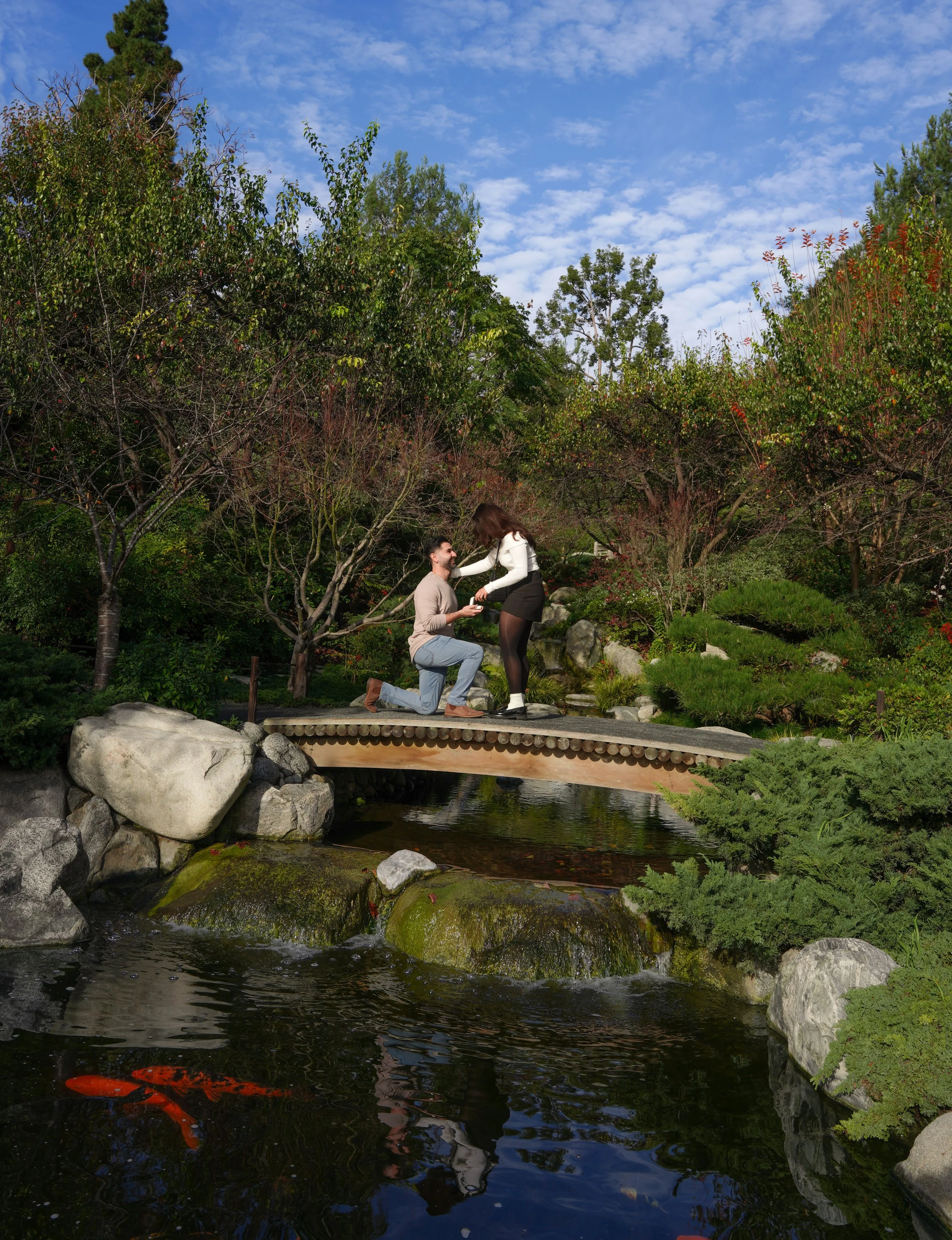
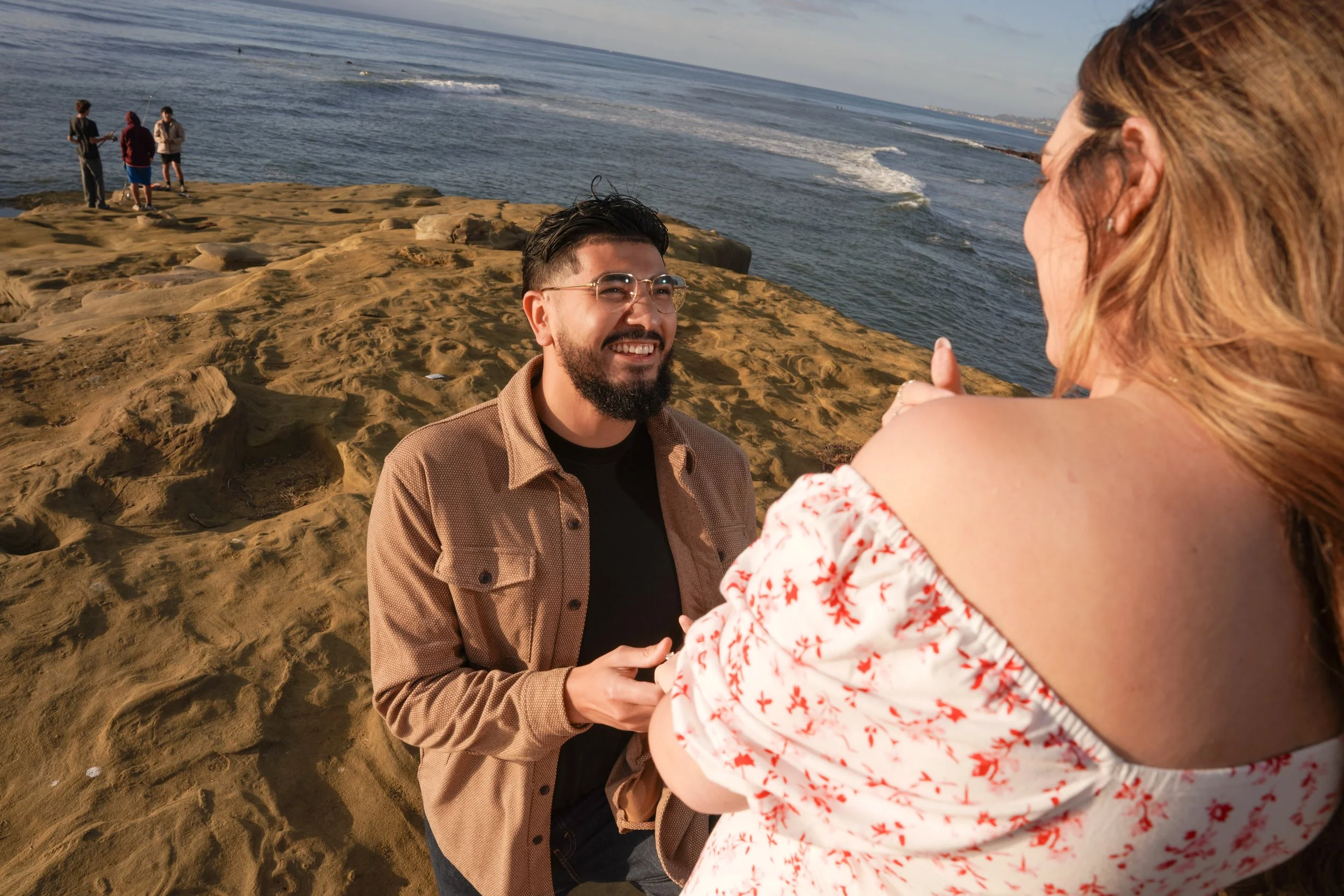
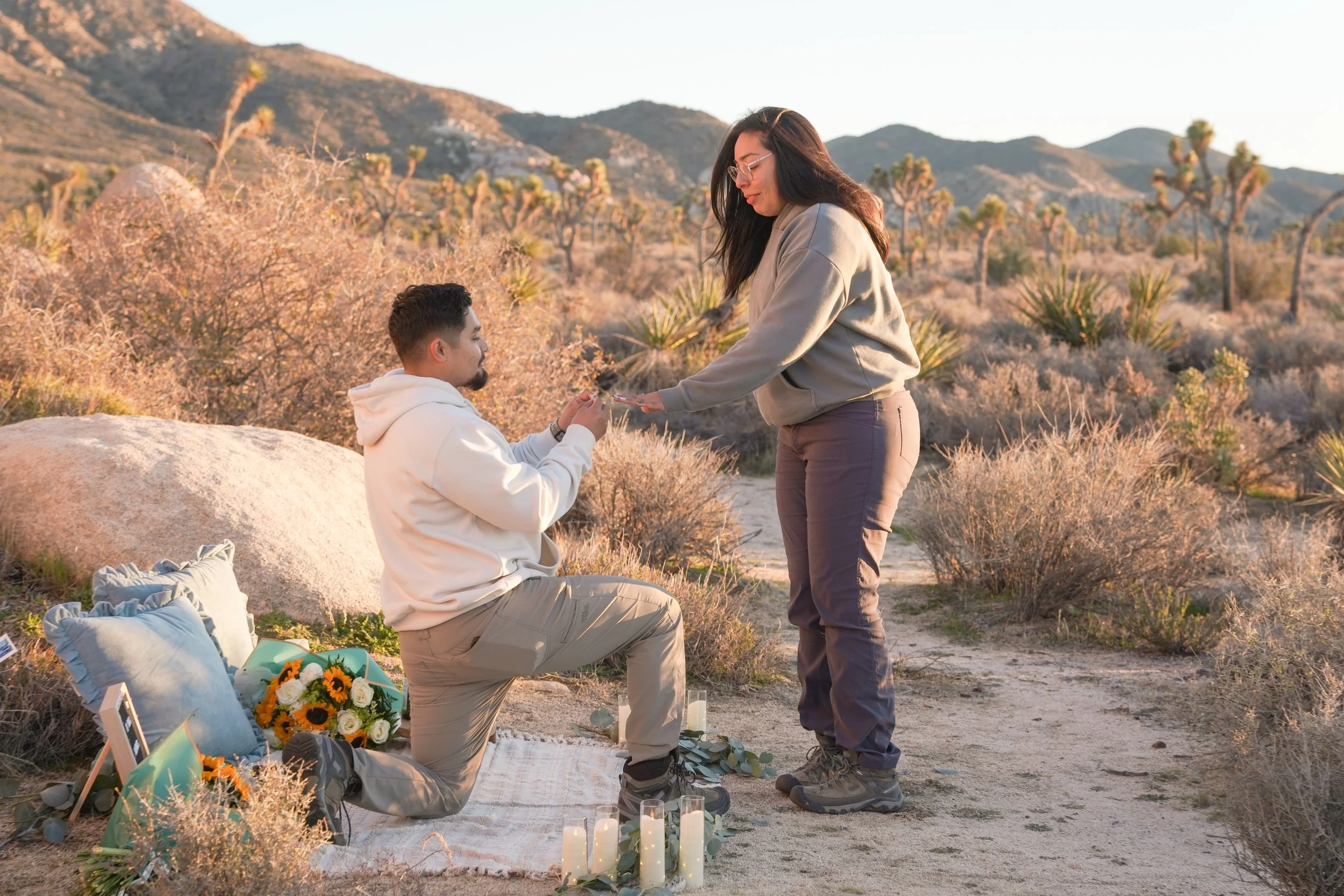
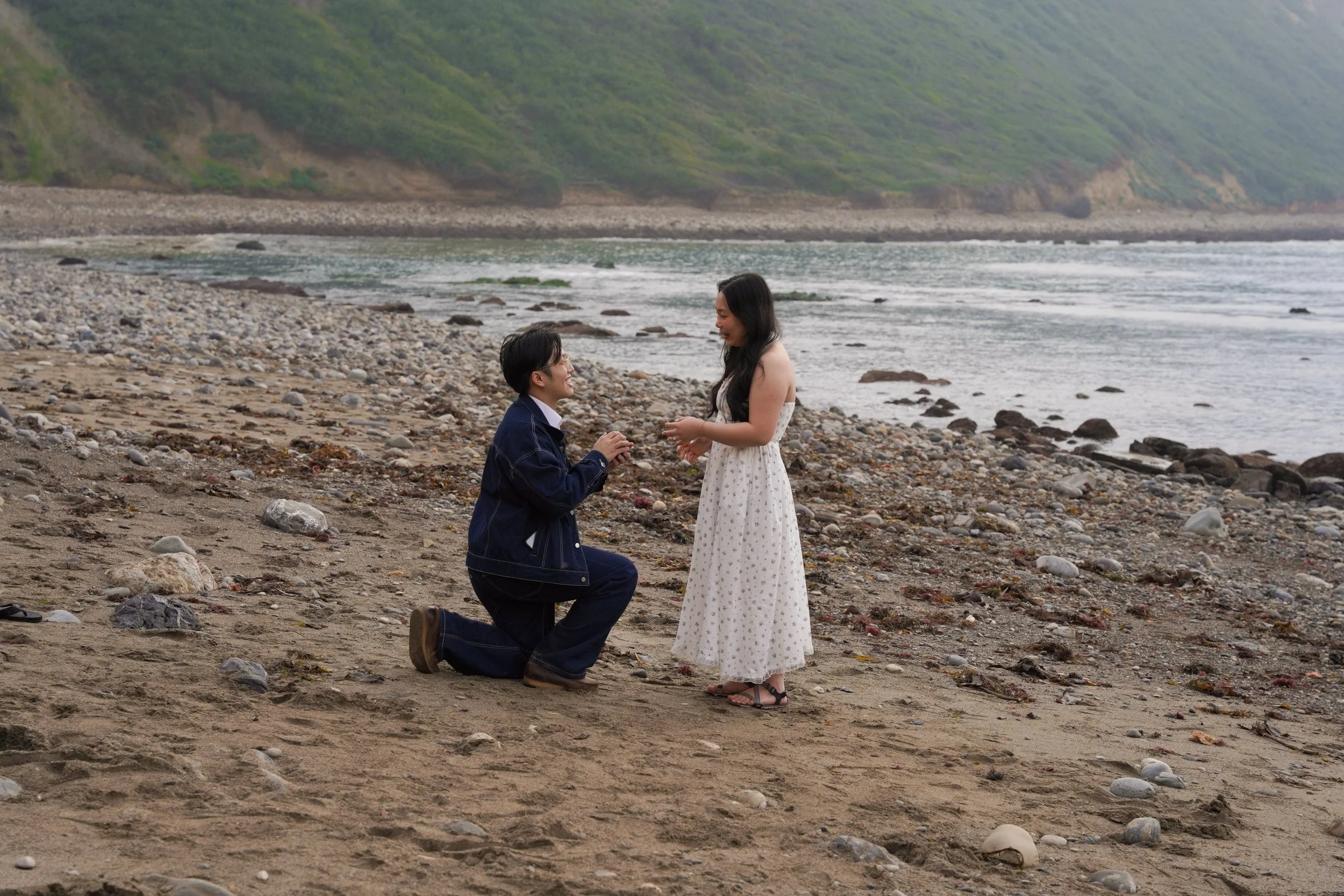
4. Ready-Made Cover Stories Elevate Surprise Potential
One practical advantage singles out February: it’s an easy month to plan a date without suspicion.
Here’s why:
Valentine’s dinner reservations make sense without tipping off the proposal.
You can frame the plans as a celebration of love or a romantic experience without hinting at a life-changing question.
Extended winter date ideas (winery tours, cozy escapes, spa days, scenic drives) feel natural in February, so your partner doesn’t catch on early.
This cover story advantage is often overlooked but hugely helpful for surprise proposals.
5. February Offers Beautiful, Natural Light for Photography
Winter light is often soft, diffused, and flattering—ideal for engagement photos. Unlike harsh summer sun, this kind of lighting:
reduces shadows
flatters skin tones
enhances scenery in photos
For photographers and couples who want timeless, natural imagery of the moment, February lighting is surprisingly perfect.
6. Cultural & Global Insights on February Proposals
While December continues to dominate as the most popular month for engagements globally, February still ranks highly—especially in certain cultures. For instance, research from wedding surveys shows February often comes in second behind December in proposal frequency, highlighting it as a meaningful month for engagements.
In places like India, February has even been noted as the most popular month to get engaged due to cultural preferences tied to auspicious timing and Valentine’s Day celebrations.
7. February Engagements Set the Stage for Spring & Summer Weddings
From a timeline standpoint, a February proposal gives couples:
~12–18 months to plan their wedding
time to secure vendors during peak wedding season
the ability to celebrate the engagement throughout spring
This cadence works well for those who want a spring or summer wedding while still savoring the engagement milestone.
Final Thoughts
Yes—February is a great month to propose.
It blends:
cultural and seasonal romance
vendor flexibility
quiet settings
natural photography conditions
and an easy setup for a surprise
Whether you choose Valentine’s Day or another meaningful February date, the month provides a natural backdrop for intentional romance and a well-executed proposal.
Start Your Journey With Us Here

Why December Is One of the Best Months to Propose — Winter Engagement Tips from a Southern California Proposal Photographer
December has quietly become the most popular month for engagements, with couples drawn to the emotional depth, winter aesthetics, and intimate year-end atmosphere. In this blog, we answer real questions asked by our clients and seen frequently in Facebook groups—such as whether it’s appropriate to propose on Christmas, why so many engagements happen in December, how to plan around colder weather, and what to consider when timing a surprise proposal. We share expert advice based on photographing winter engagements across Southern California, including timeline strategy, outfit guidance, location recommendations, and emotional storytelling. If you're thinking about proposing this December, this guide helps you make the moment intentional and unforgettable.
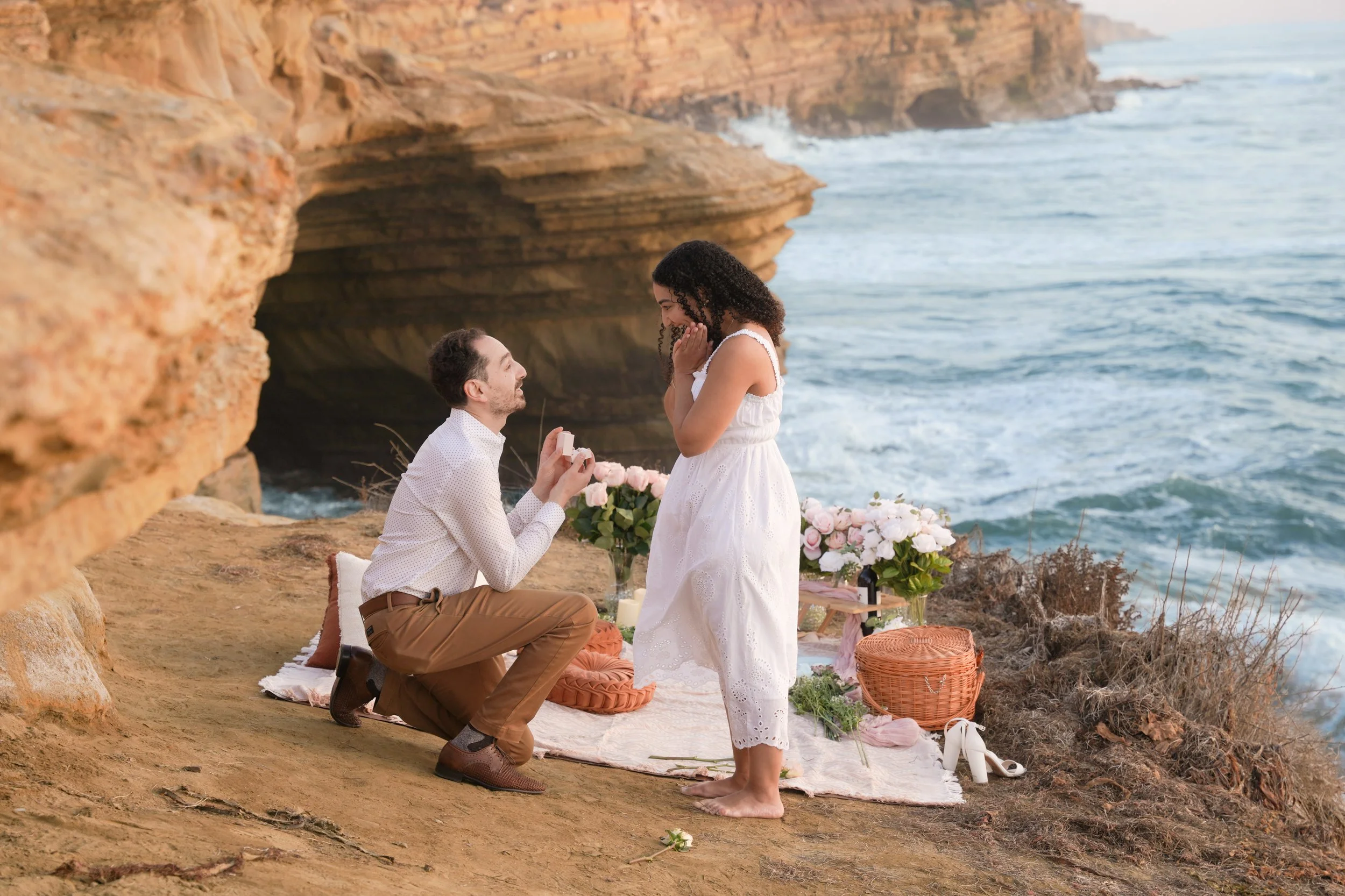
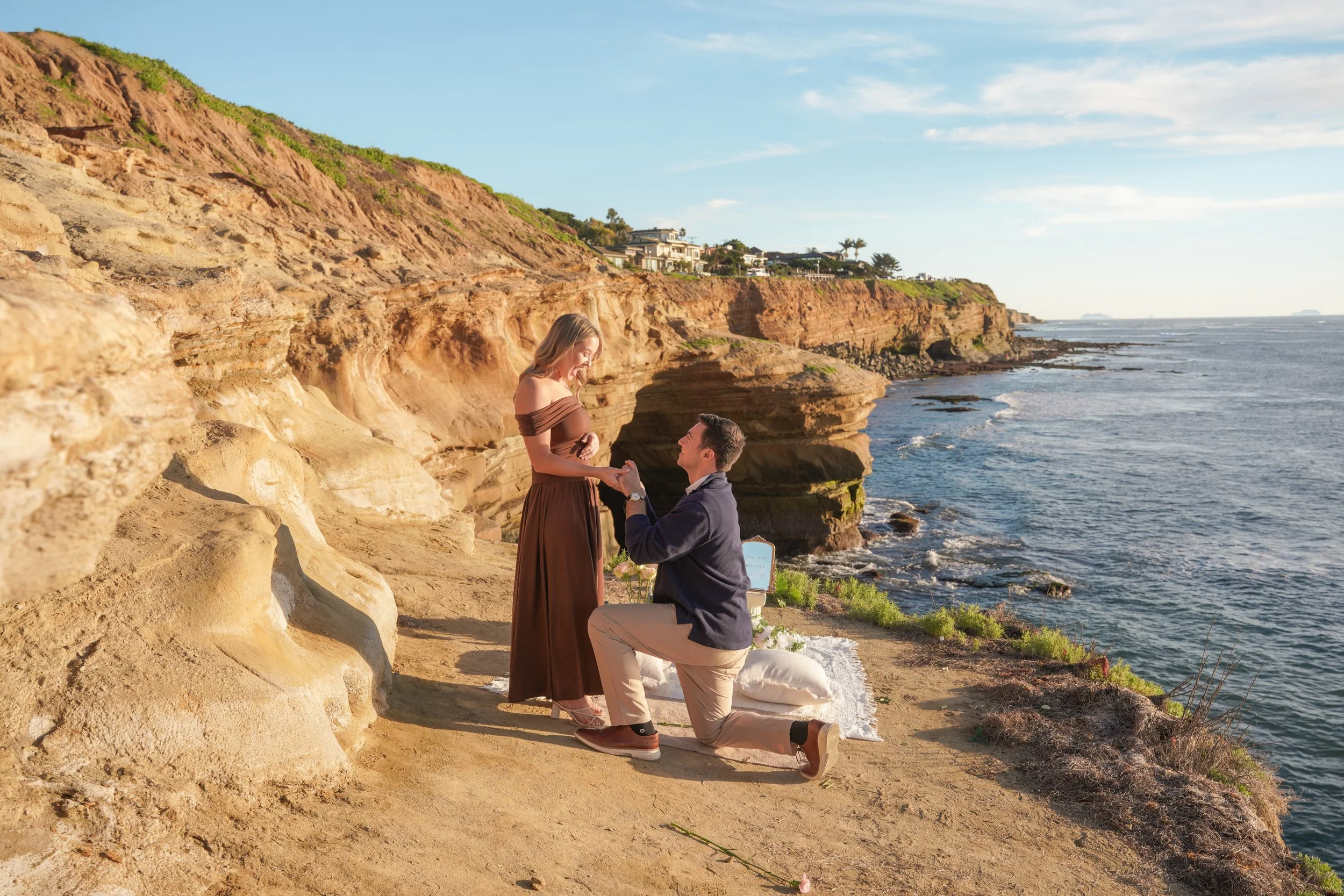
Romantic surprise proposal at Sunset Cliffs during golden hour with a curated picnic overlooking the ocean. Whether you’re proposing on the cliffs of San Diego or among the vines in Temecula wine country, we help plan and capture every step. Book your proposal with Last Minute Photoshoot.
When most people think about proposals, they picture spring blooms or summer sunsets — yet December quietly holds the crown. According to industry trends, nearly 40% of engagements happen between Thanksgiving and Valentine’s Day, with December consistently ranking as the most popular month to propose, especially during the weeks leading up to Christmas and New Year’s Eve.
Over the years, several of our clients have asked us questions like “Is December a good month to propose?” “Is it appropriate to propose on Christmas?” and “How do you plan a surprise engagement during winter?” We've also seen these same concerns repeatedly surface in Facebook groups and proposal planning communities. That’s exactly why we built this blog—to address the questions couples genuinely ask before committing to one of the biggest decisions of their lives.
So why the winter surge? Because proposals are about meaning—not weather. In the final month of the year, relationships become more reflective, families gather, travel slows down, and the energy shifts toward gratitude, legacy, and new beginnings.
Below are the five most-asked December proposal questions—answered with insight from real client experiences.
Why December Is One of the Best Months to Propose — Winter Engagement Tips from a Southern California Proposal Photographer reveals how crisp air, holiday energy, and lighter crowds create unforgettable moments. We design winter proposals built around timing, light, and emotion — even when booked last-minute.
📸 Discover Proposal Packages
1. Why do so many people get engaged in December?
December naturally amplifies emotion. Family gatherings, slower schedules, and year-end reflection often lead to conversations about the future. With holiday lights, cozy outfits, and festive scenery, the moment already feels cinematic.
2. Is December a good month to propose?
Yes—if it’s properly planned. December offers:
More privacy and fewer crowds
Meaningful calendar dates like Christmas Eve and New Year’s Eve
Memorable visuals such as fog, winter light, and candlelight
Seasonal intimacy that spring and summer can't replicate
In Southern California, prime winter proposal locations include Laguna Beach, Balboa Park, Oak Glen, and Temecula wine country, where the air is cool but not extreme.
3. How do you plan a proposal during winter?
Schedule around early sunset (typically 4:15–4:45 PM)
Choose a location with easy access
Layer outfits using neutral tones and textured fabrics
Plan a warm post-proposal experience (fire pit, wine room, upscale dinner)
Work with vendors who understand lighting, weather shifts, and time-sensitive logistics
4. Is it appropriate to propose on Christmas?
Yes—when handled with intention. Some couples love sharing the engagement with family. Others prefer privacy so the moment doesn’t get lost in the holiday rush. If using gifts, don’t bury the ring among presents—give it its own space.
5. How do you make a December proposal unforgettable?
Stage the moment during golden hour before evening plans
Use seasonal elements: evergreen florals, fairy lights, candles
Create a riddle or card that leads them to the location
Plan around temperature and visibility
Prioritize meaning over perfection—the seasonal ambiance enhances everything
Recap: Why December Proposals Stand Out
December carries emotional significance and naturally sparks conversation about the future.
Fewer crowds and slower schedules allow for more private, intentional moments.
Proposing before the New Year symbolizes a meaningful life transition.
Cooler air, soft light, and holiday elements create cinematic visuals.
Family proximity offers immediate celebration opportunities if desired.
Winter proposals feel intentional—driven by emotion, not weather.
Success relies on timing, accessibility, and planning—not temperature.
Working with experienced photographers and planners simplifies execution, especially last-minute.
Final Thoughts
Warm weather might make things easier, but December makes them meaningful. The year-end energy, ambient intimacy, and emotional weight of winter make it one of the most powerful times to propose. Cold moments last briefly—the memory lasts forever.
If you're considering proposing this December, take this as your sign.
Ready to Plan Your Winter Proposal?
We specialize in last-minute surprise proposals, complete timeline creation, setup assistance, floral and décor recommendations, vendor collaborations, and sneak-peek images within 24 hours — even in colder weather or tight timelines.
You ask the question.
We’ll make sure everything looks and feels like it was always meant to happen.